Your cart is empty.
Go to the store
For more than 25 years, issues related to sustainability and responsible leadership have been an integral part of the business model and mission of INCAE, making it a leading institution in Sustainable Development.

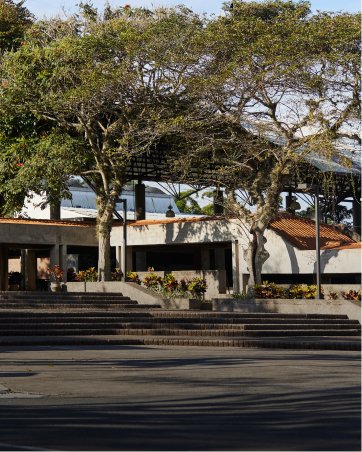
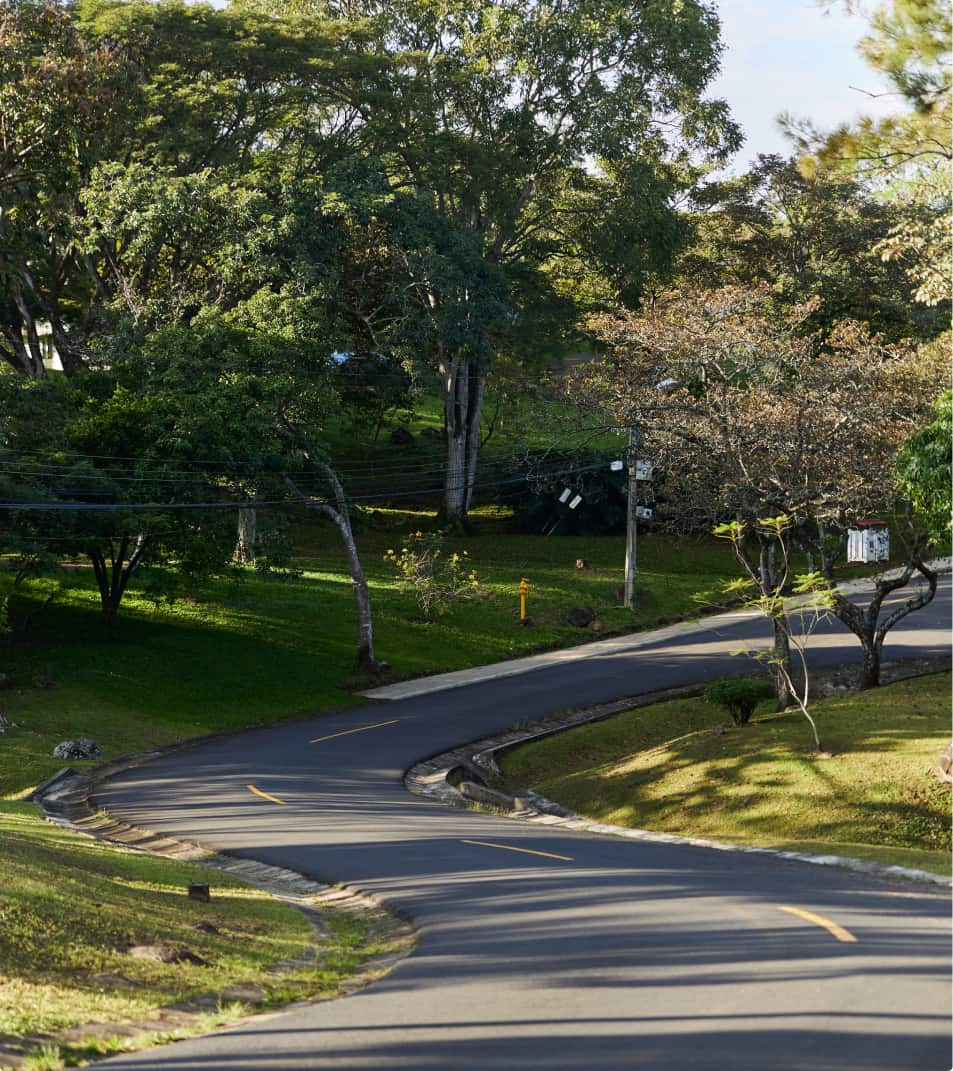
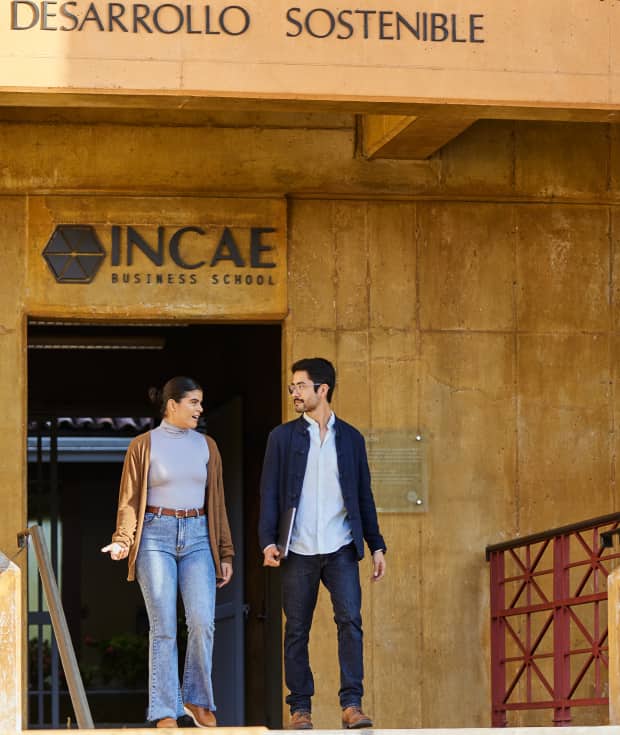
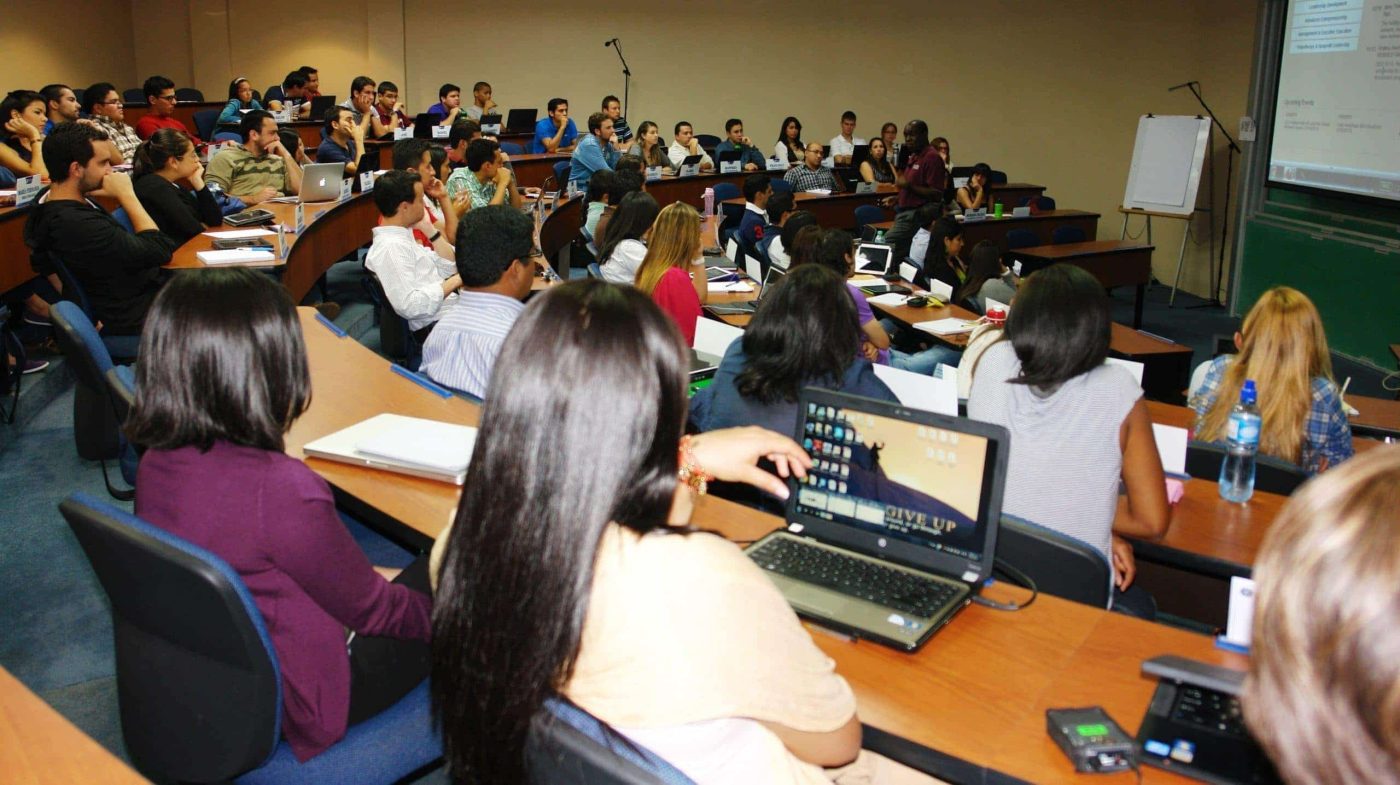
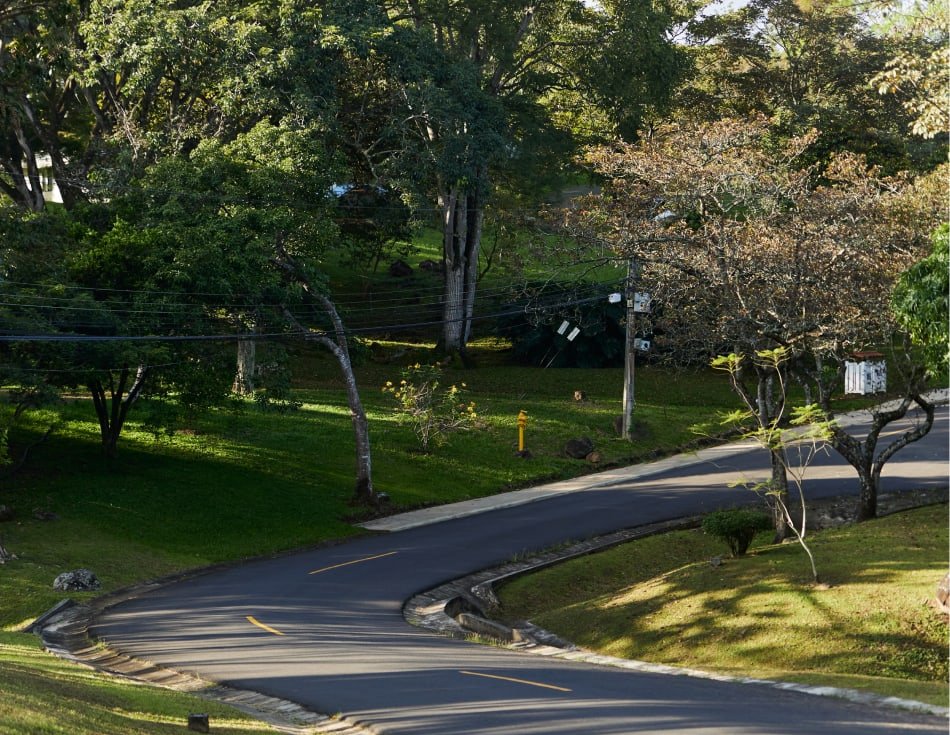
Through different environmental projects and initiatives implemented on the campuses, INCAE aims to transfer the knowledge acquired by students in the classroom to their daily lives, through the experience of living on a sustainable campus.

PRME provides a global network for academic institutions to promote corporate sustainability and social responsibility, and a framework of engagement for the incorporation of universal values into curricula and research.

"Our mission, beyond just being professionally successful, is to help make a better country, it's to help shape lives in Latin America, and the Incaístas s go out with that mission."

Creating Value from Values explores the different ways in which companies can develop social and environmental strategies and discusses how these strategies can be aligned with business operations. The course focuses on companies operating in developing countries with high poverty rates. It is taught through case studies, mainly from Latin American countries and from different industries (banking, manufacturing and services).
The purpose of this course is to explore the intersection of gender, leadership and organizational behavior as it has evolved within the social and economic context of the United States and Latin America in order to:
1) Trace the cultural, psychological and organizational factors that affect women.
2) Outline individual and organizational best practices to promote more women to leadership.
The course "Environmental and Social Trends for Business Strategies" examines the strategic business impact of environmental and social trends and business practices. It explores how environmental and social performance goes hand-in-hand with business performance in a global economy with rapidly changing expectations and pressures.
This course is for students who want to learn about incorporating social and environmental issues (also discussed as sustainability) into business strategy to improve competitiveness. The focus of the course is not on social and environmental issues per se. It is about strategy and how solutions to social and environmental challenges can be incorporated into a business strategy to increase competitiveness in emerging markets.

The Center for Inclusive and Sustainable Leadership (CELIS) is the Impact Center of INCAE Business School that seeks to promote and develop inclusive and sustainable leadership in the region - built on the foundations of inclusion, equity, diversity and sustainability - supported by our platform of international experts with global vision.

The Latin American Center for Competitiveness and Sustainable Development (CLACDS) is the applied research center of INCAE since its foundation in 1996. Its mission is to promote sustainable development in the region through research, dialogue, participatory strategy design and the transfer of best practices.

The Latin American Center for Entrepreneurs (LACE) was launched in 2016 and its mission is to foster entrepreneurship in the region through academic programs, conferences, awards, partnerships, and other initiatives.
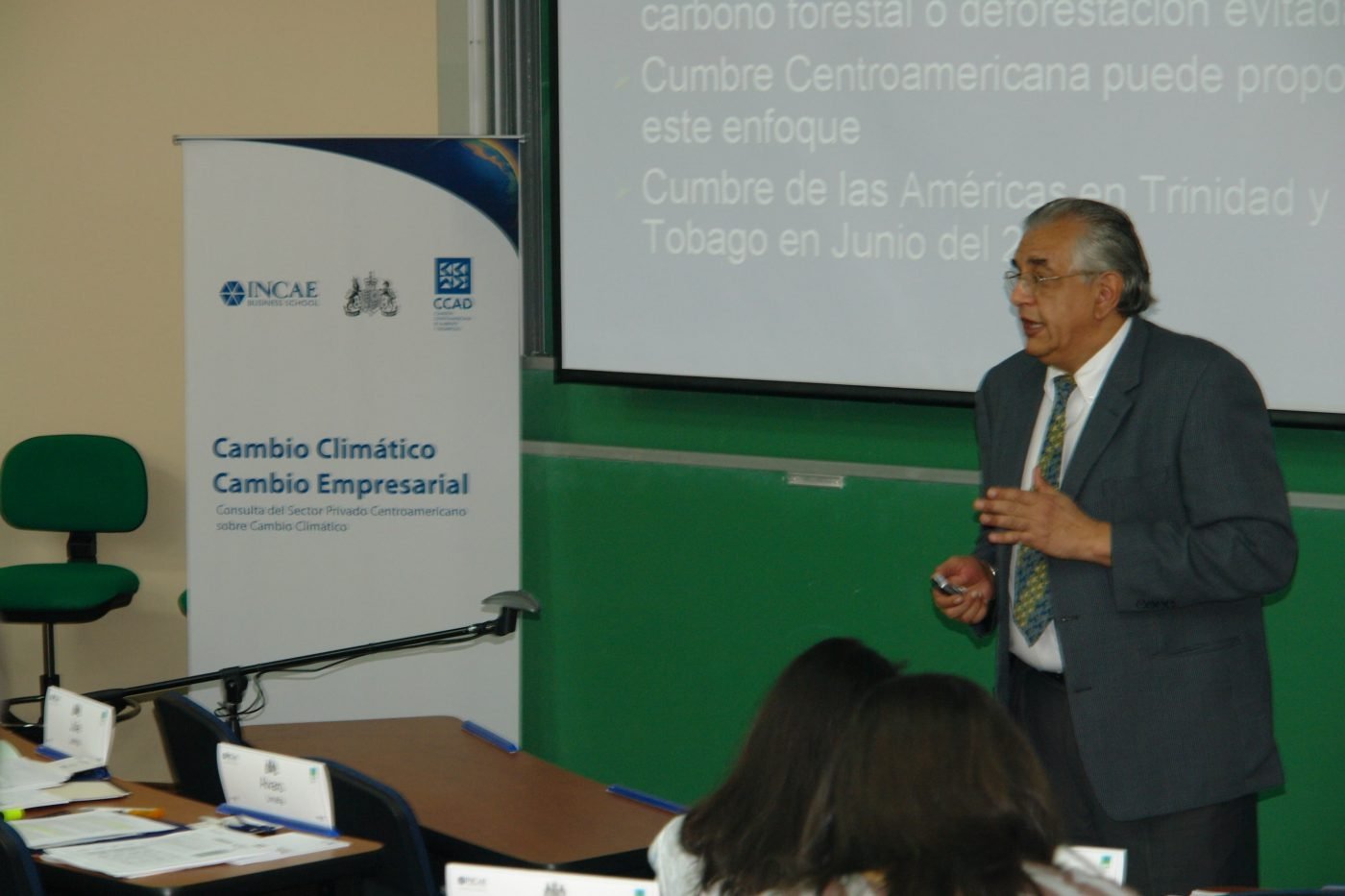
Energy and Materials Management Program led by Professors Robert W. Mullins and Alvaro Umaña. It evolved from an elective course in the master's programs to a series of executive and policy-making seminars that later became the basis on which the first eco-efficiency and sustainable development programs were developed and presented.
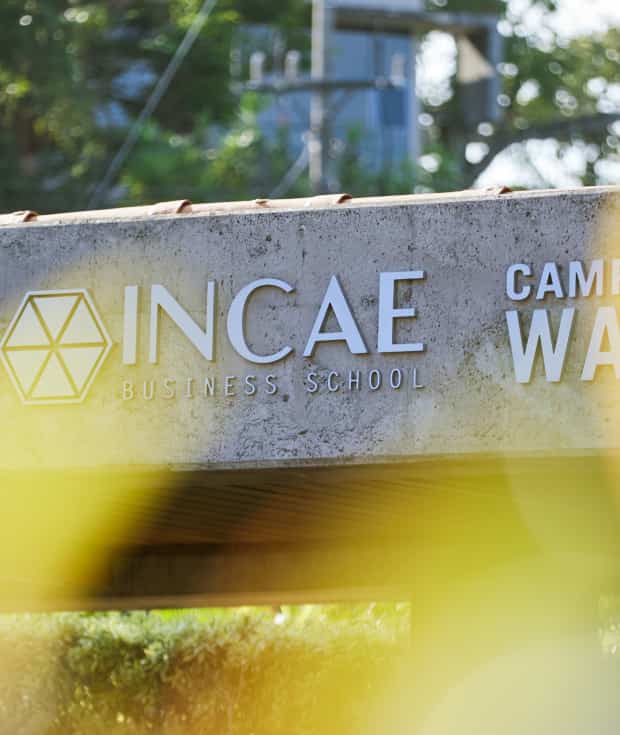
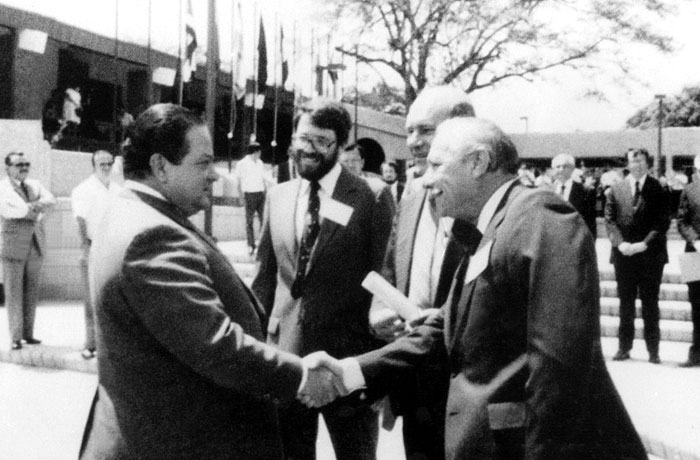
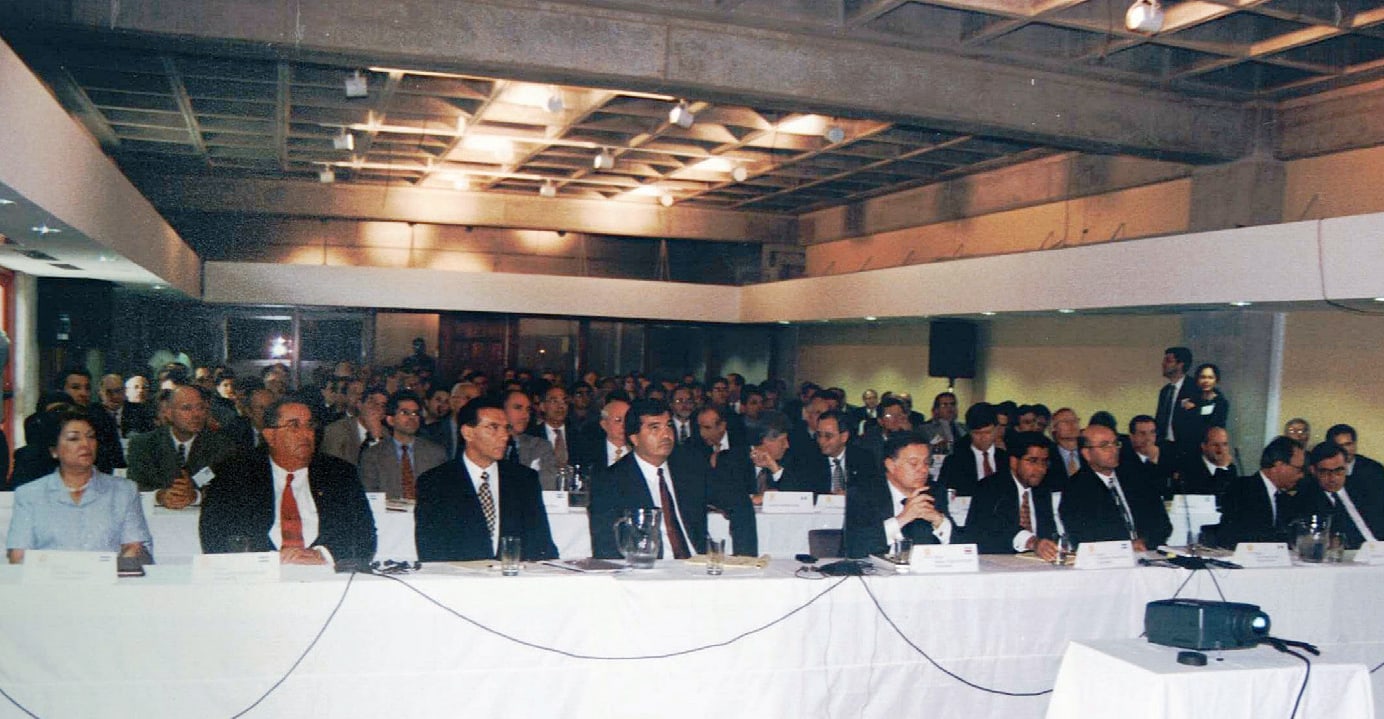
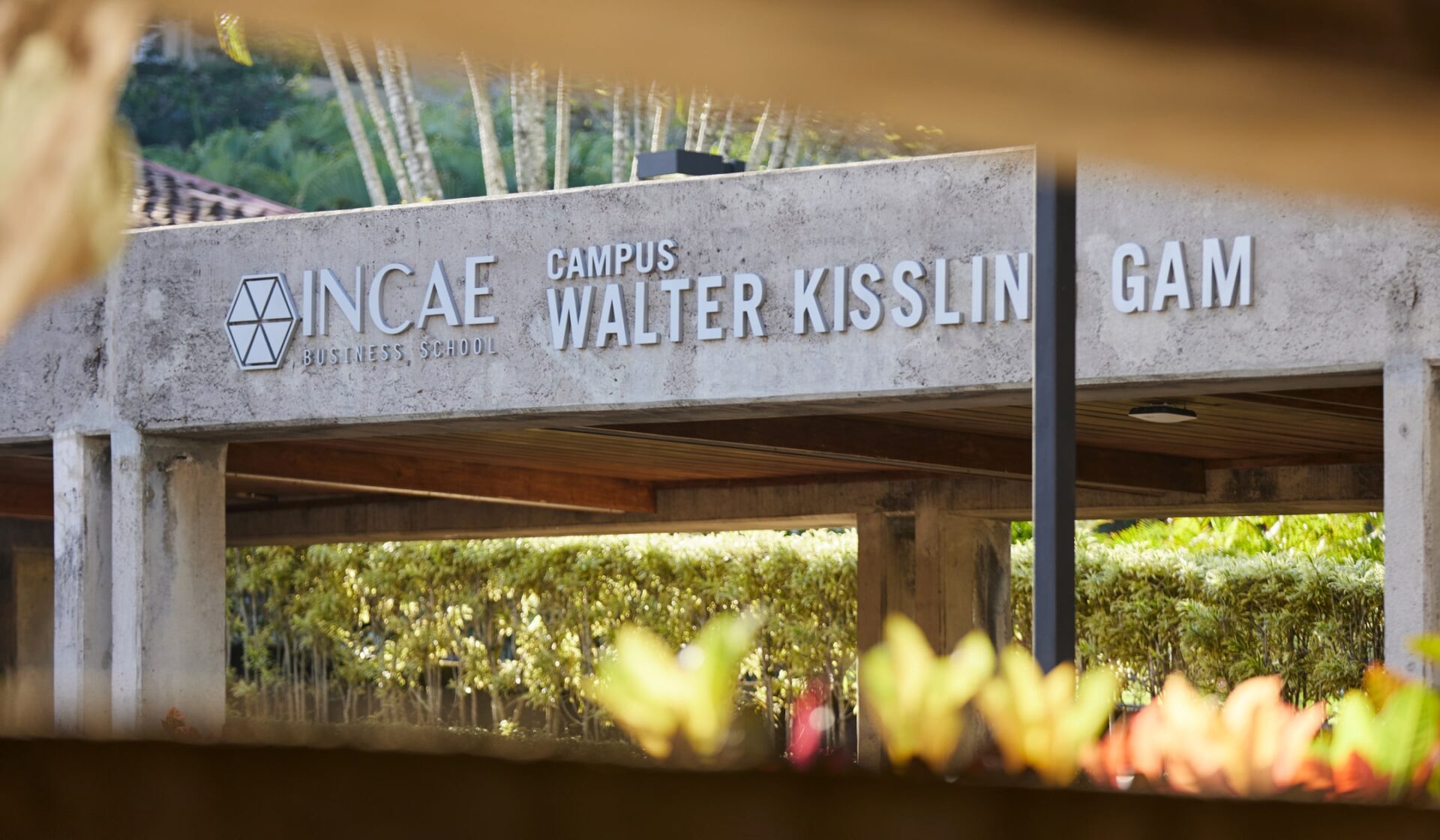
The opening of the Walter Kissling Gam campus marks the start of three programs financed by the Inter-American Development Bank: Management of Non-Traditional Exports, Policy and Management of Energy Resources, and Small and Medium-Sized Enterprises.
Energy and Materials Management Program led by Professors Robert W. Mullins and Alvaro Umaña. It evolved from an elective course in the master's programs to a series of executive and policy-making seminars that later became the basis on which the first eco-efficiency and sustainable development programs were developed and presented.
The Master's Program in Natural Resources Management begins.
The Business Leadership in Sustainable Development Program was also launched, designed to motivate and train a new generation of leaders to understand the great challenges that the need for sustainability imposed on companies.
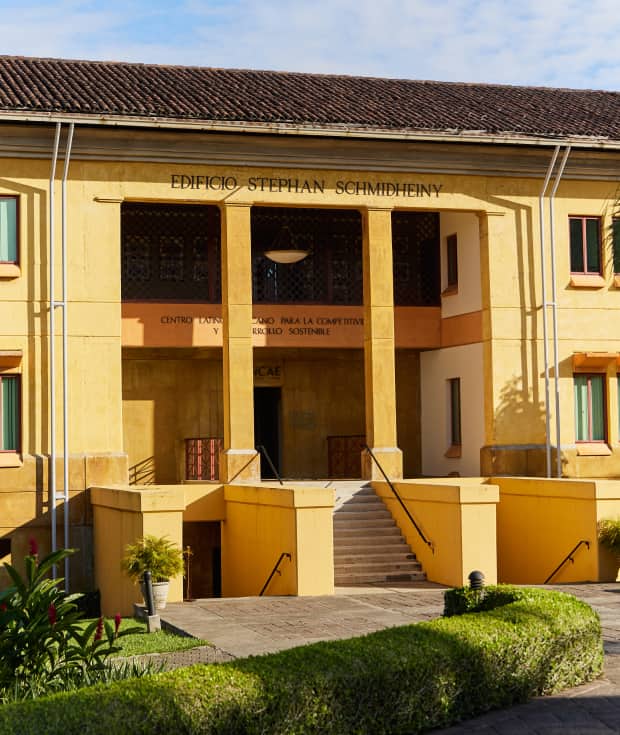
INCAE awards an honorary doctorate to Swiss businessman and philanthropist Stephan Schmidheiny. Thanks to his influence, INCAE would become institutionally committed to the goal of sustainable development to the point of making it one of the central elements of its academic approaches, its positioning and the differentiation of its sources of growth.
Foundation of the Latin American Center for Competitiveness and Sustainable Development (CLACDS).
The work entitled Central America in the 21st Century, an Agenda for Competitiveness and Sustainable Development was presented to the Central American community. The document, in addition to outlining an agenda of changes in areas such as infrastructure, customs integration, investment attraction, tourism, agro-industry and maquila, also raised the issues of sustainability.
Ecoefficiency Management is included as a mandatory subject. Thus, INCAE became the first business school in the region to incorporate eco-efficiency as a mandatory subject in its teaching program.
In the same year, the introductory and mandatory course for all students, called Principles of Sustainable Development, is included in the master's program. It begins with the Sustainability Management Program.
The Latin American Network of Universities for Quality and Sustainable Development is established, led by INCAE.
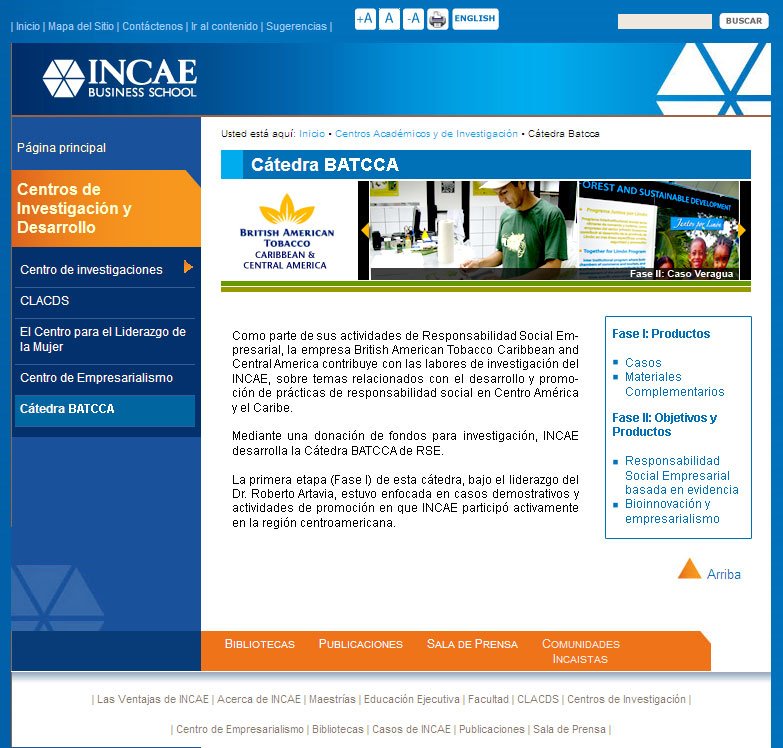
Signing of the BATCCA (British American Tobacco Caribbean & Central America) - INCAE agreement that establishes a research chair called "BATCCA Chair of Social Enterprise and Corporate Social Responsibility".
INCAE and the Poma Foundation sign an agreement that creates the Poma Foundation Chair for the alleviation of poverty in the Central American region.
Students from the Carlson, Rollins and Thunderbird schools of business, along with first-year MBA students from INCAE, participate in a seminar on sustainability fundamentals.
The Harry Strachan Chair in Philanthropy and Social Investment is established at INCAE.
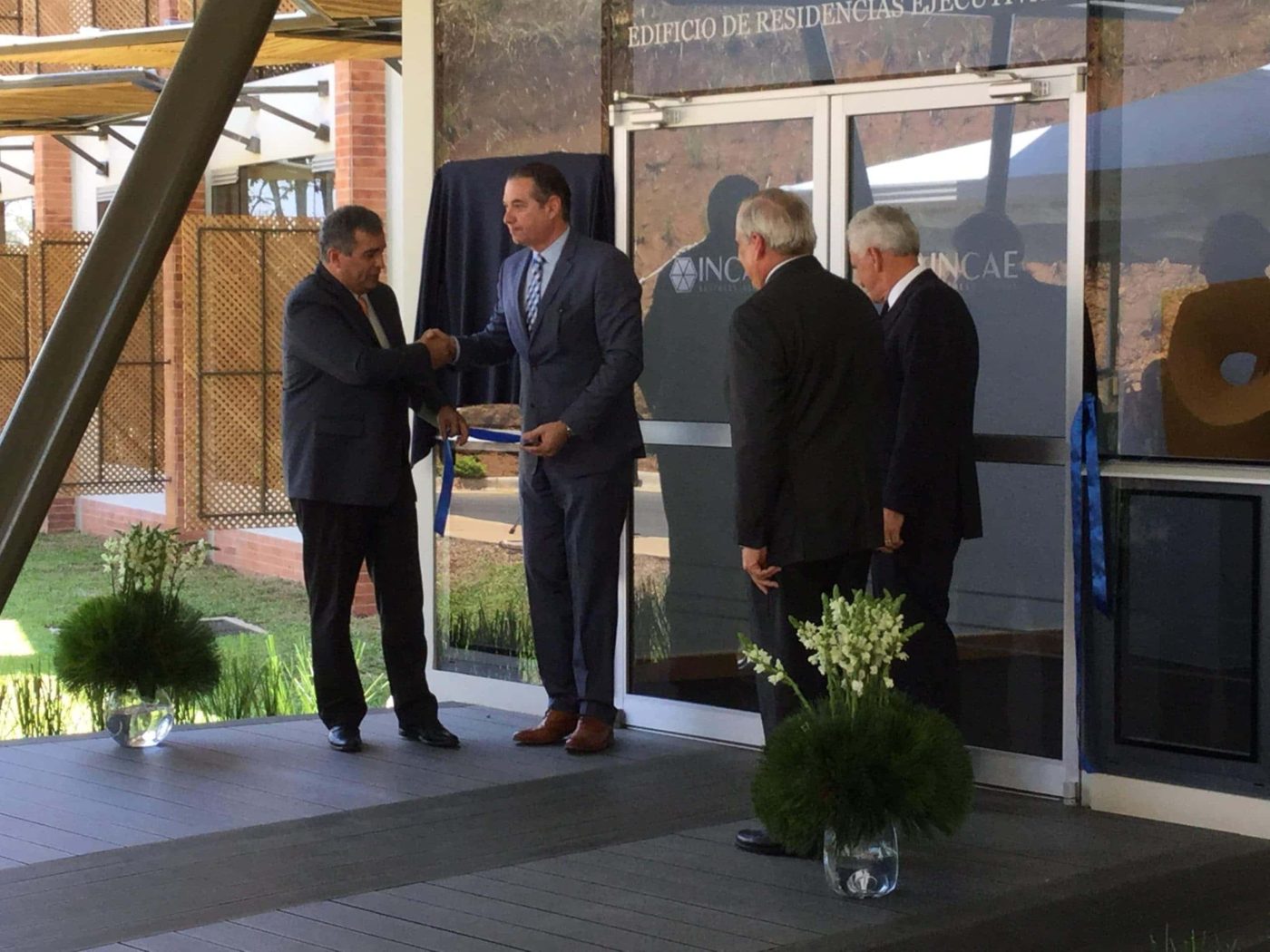
Inauguration of the Executive Residences Building at the WKG campus, incorporating sustainability criteria in its design and operation.
2nd place in the world in Carbon footprint reduction