Effective climate and nature action starts with education, specialized technical training and key knowledge transfer to close the existing financial gap.
By Valeria Correa and Ronald Arce.
Today, there is a significant financing gap to address the challenges posed by climate change. And while there has been an increase in expressions of interest from donors and financial institutions, we have not yet reached the target for mobilizing USD 100 billion per year that has been established under international agreements. If we add to this amount the needs required to meet biodiversity and land degradation targets, the gap grows to an estimated global amount of USD 4.1 trillion.
When we think about closing the financing gap to meet climate and nature goals, we think that government investment and private sector action are lacking. However, we do not consider the previous steps to generate this greater mobilization.

Two recurring perspectives are often heard from investors and financial institutions: "we are ready to invest, but we don't have the project portfolio" and from public project managers: "we have the project ready, but we don't have the financiers". Clearly there is a mismatch between the financial sector and project managers. But how do we get these parties to agree and create a project portfolio that meets the requirements and interests of the financial institutions? Although it sounds very obvious and easy, we are still at a stage where we have not managed to do the "matchmaking".
The Innovation for Green Finance in LAC Project, financed by the Swedish Embassy through the Swedish International Development Agency (SIDA), proposed to face the challenge of closing this gap, starting from the basics. Recognizing that education is a key driver of transformative change, the project prioritized capacity building for public officials. This approach seeks to create solid bridges between project managers and the financial sector, promoting effective collaboration that facilitates the connection between both worlds.
Through a strategic collaboration with INCAE Business School through its Latin American Center for Competitiveness and Sustainable Development (CLACDS) as a key partner in this project. A joint capacity building program for the formulation of bankable projects was launched for public officials from eight countries in the region for the formulation of bankable projects for the fulfillment of national objectives related to climate and nature.
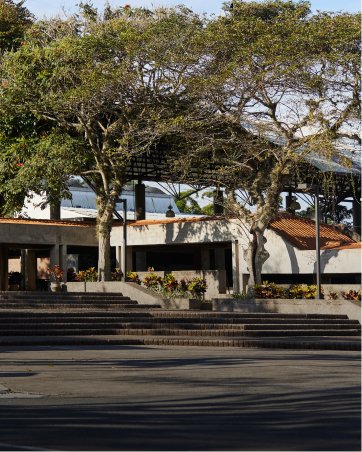
In July, part of the program took place on-site at the INCAE campus in Costa Rica. This stage focused on strengthening participants' abilities to integrate environmental benefits and considerations into investment projects, develop financing plans and schemes, design sound theories of change, and conduct cost-benefit analyses. In addition to the technical content, the course offered added value by incorporating interpersonal competencies, such as negotiation and effective communication skills.
Representatives from different sectors were carefully selected with the purpose of fostering collaboration between areas that have traditionally operated in isolation within national governments. Through this approach, we sought to select representatives from different sectors with the intention that areas that have traditionally been managed by separate units in national governments could, through this program, be brought together and over the following months establish links and create networks within and between countries.
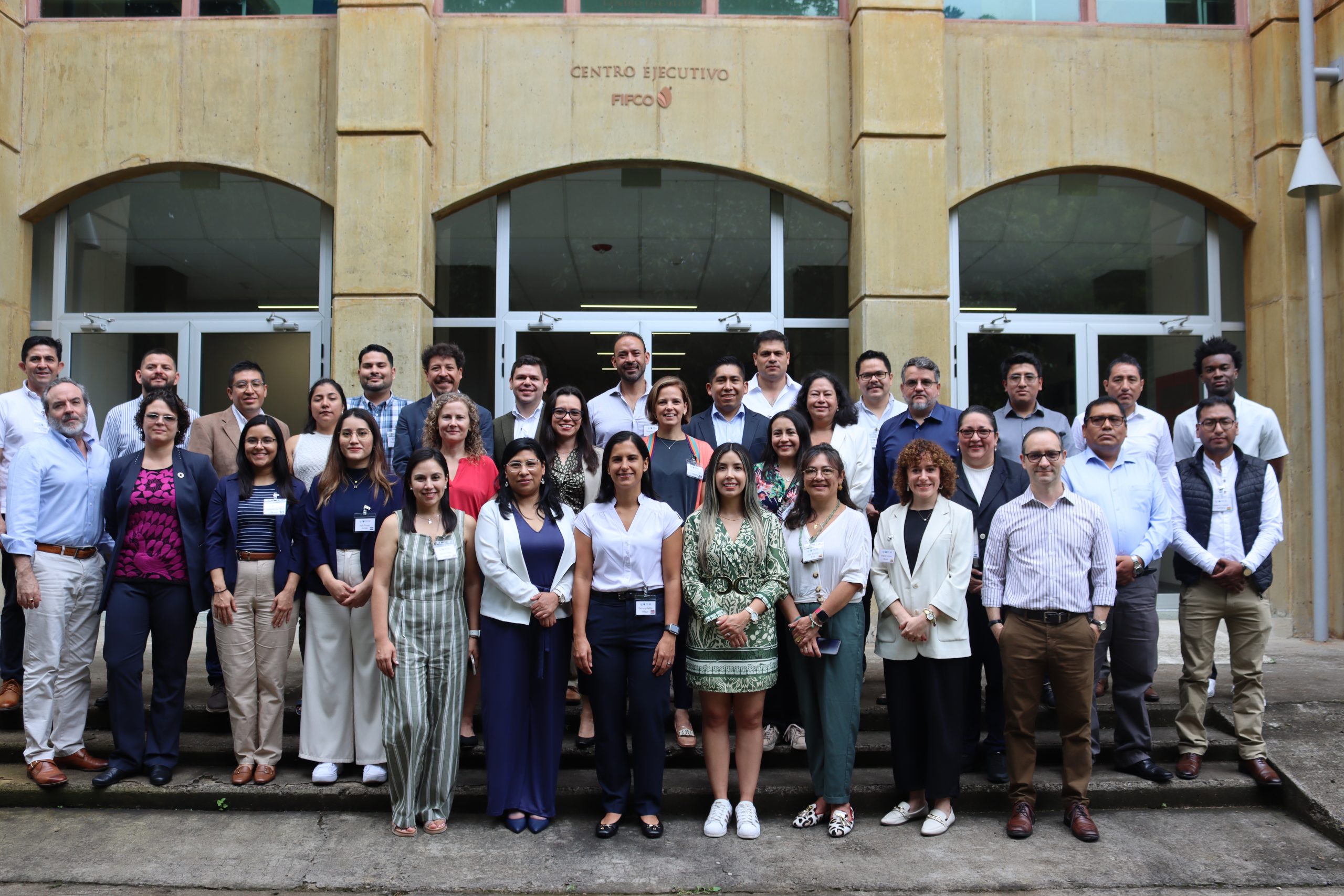
Image: Group of participants in the Capacity Building Program for the Formulation of Financeable Projects - Walter Kissling Gam campus week.
The results achieved during the course reflected a significant impact. The government participants started the course with one project idea per country which they presented both at the beginning and at the end of the week. The transformation of their projects after all the theoretical and practical sessions was clear. Projects included electromobility, energy transition, energy efficiency and resilience in government facilities, as well as nature-based solutions among others.
The project continued to support the eight countries through coaching sessions led by INCAE in collaboration with UNDP. These sessions focused on improving the design of their project concept notes so that they could be presented to potential investors during business rounds sponsored by the Project.
Thanks to the program, officials in El Salvador strengthened their case for a pilot project to implement an electric bus system in San Salvador. This project not only secured a $5 million loan from CAF, but also has the potential to leverage an additional $300 million to transform public transportation in El Salvador.
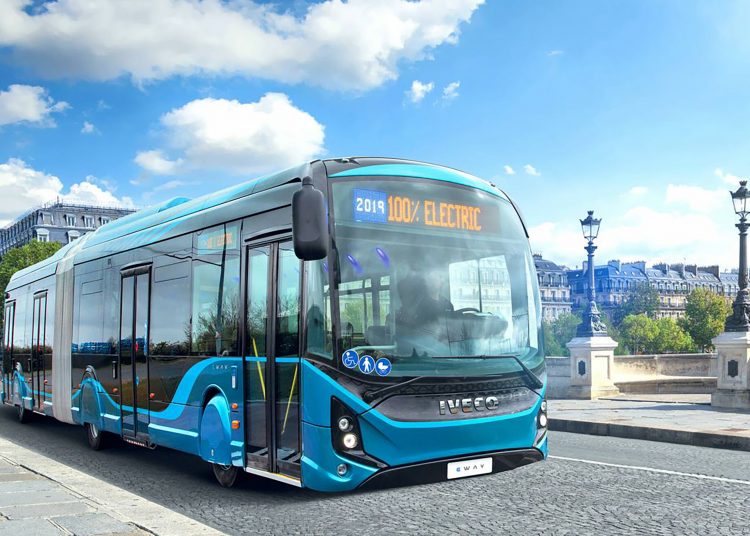
Marlon Alberto García Torres, one of the participating officials from El Salvador, said."This course opens your mind, places you in the global context and teaches you to systematize ideas to formulate strategic proposals focused on the interests of key stakeholders. In addition, by learning about other experiences, it pushes you to demand more of yourself, get out of your comfort zone and present your best".
Closing gaps starts with filling knowledge gaps. The course was evident in the diversity of participants: some were familiar with the language of climate change and environmental externalities, while others focused on numbers and business models. This diversity highlighted the need to level the playing field and develop a common language to facilitate collaboration. In general terms, it was identified that a knowledge gap persists in the region on how to incorporate the value of nature into economic development models, especially considering the impact of climate change. This challenge underscores the importance of initiatives that promote the integration of environmental and economic approaches in a coherent manner.
Going back to basics, learning new languages and creating new networks are some of the pillars of the Project and of this new commitment to create bridges and bring together these two phrases that must be aligned to close the financing and green investment gap in the region.
This project is supported by the Embassy of Sweden. The contents are the sole responsibility of the authors.
To learn more about the Project: click here