No. 5, November 2021.
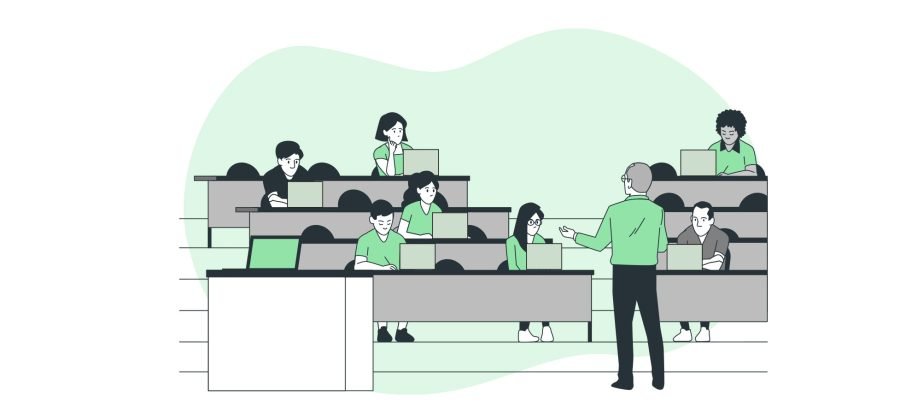
"Luis" sat in the center of the back row of the classroom in Montefresco, Nicaragua, and always tried to make the last intervention. Because of the nature of the course-Management Processes, on strategy execution-he taught it near the end of the MBA program.
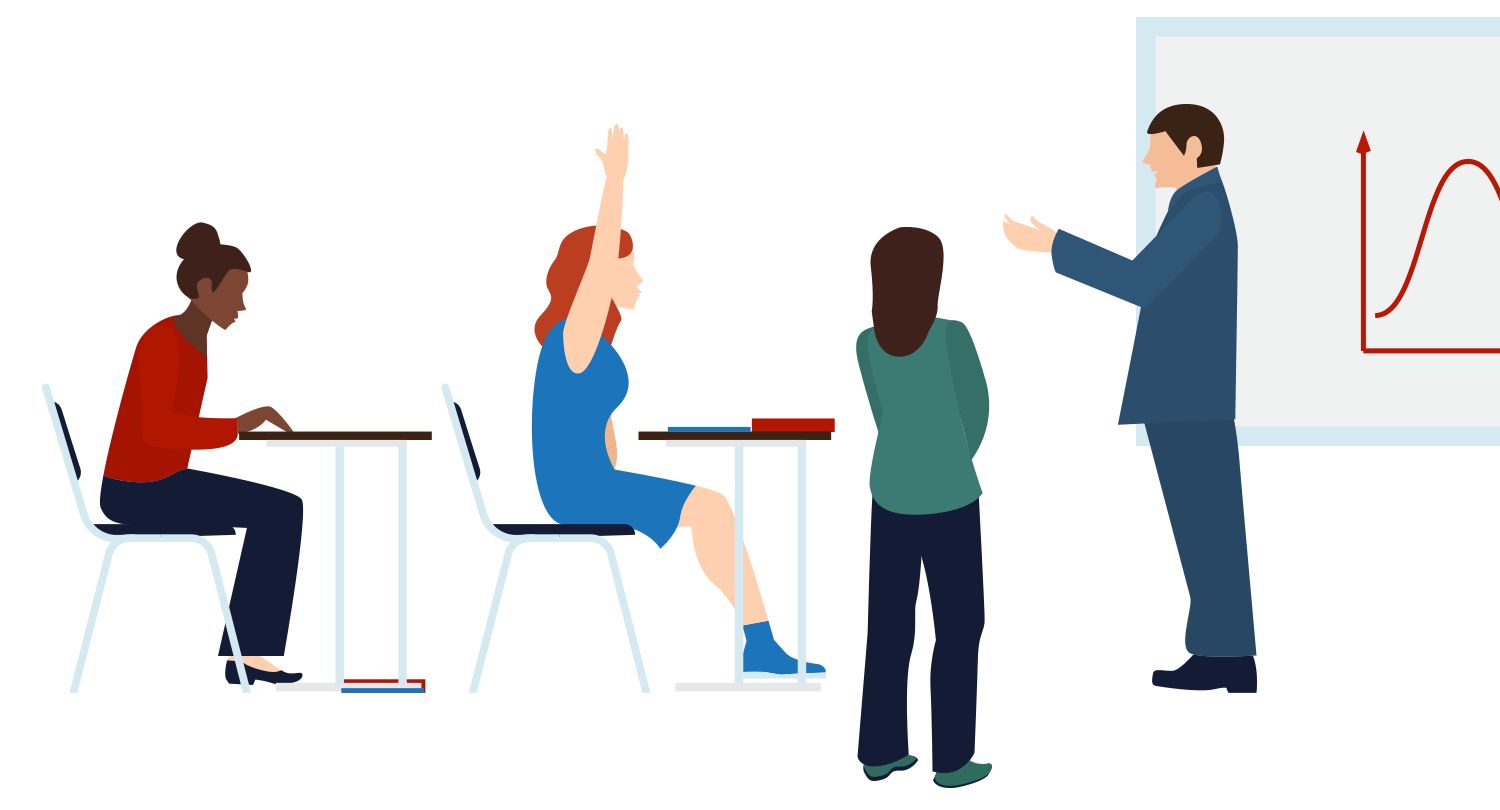
It was a rainy afternoon in mid-May. The students were already thinking about what they were going to do after graduation, in just three weeks. Nevertheless, the discussion, about a company that had to implement a strategic plan, had gone relatively well. The clock was ticking at ten minutes past three-just ten minutes left-and I was thinking of closing the session with a brief summary of the advantages and pitfalls of strategic planning processes in entrepreneurial companies used to managing informally, when Luis raised his hand. I gave him the floor.
A mistake.
"According to us communists," he began, "Only the state can do the planning! You were wrong to use that word. A company alone can do the planning..."
Silence. And suddenly, a crowd of hands went up, some students whistling and a few clapping. Chaos.
How to close a class? With a controlled landing. This is not the time for aerial acrobatics, nor for opening Pandora's box.
Nor is this the time to present aPowerpoint with the conclusions or even worse, with the "solution" of the case, which nullifies the purpose of having discussed it. There are other options and in this space I will only refer to three: 1) lessons learned, 2) whiteboard walkthrough and 3) deferred reflections. I generally prefer the lessons learned option because it maintains the participatory mode with minimal risk. I make "warm calls " to two or three students who have made memorable contributions to the discussion, thus ensuring the good quality of the lessons they bring to the discussion and at the same time, acknowledging that their participation during the discussion has been valuable.
I use the whiteboard walkthrough when understanding the analytical process we have followed is among the learning objectives. In this walkthrough, I highlight key aspects-that students have contributed-and use arrows to connect the interrelated dots, conveying the message that the content of the whiteboard is theirs. My role has been to organize the ideas that have passed the test of discussion, based on evidence from the case.
Deferred reflection is a great way to go deeper, something very difficult-at least for me-at the end of a class. I have to reflect on what happened in the session. I do this reflection while I am evaluating the class contributions, and I prepare about six to eight points based on the most valuable student contributions, my own analysis, and referring to "generalizable" concepts and relevant theories.
Some colleagues have had success focusing on the objectives of the session, stating them at the beginning and reviewing the Grade having achieved them at the end of the session. It can work when the objectives are knowledge acquisition, but is less effective when they are skill acquisition or attitude change, which are more difficult to measure in the short term.
John C. Ickis