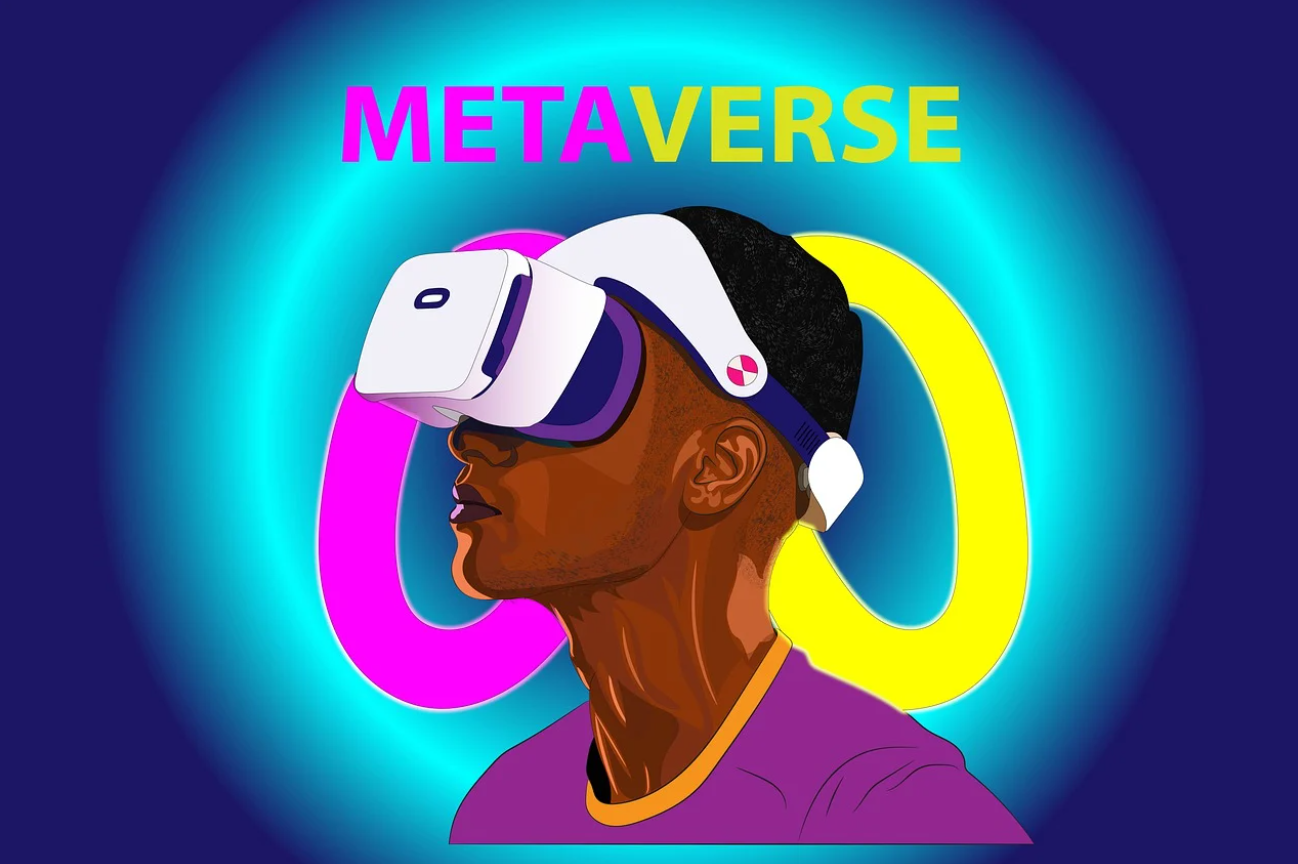
Technology has been growing and changing rapidly: marketing in the Metaverse is a clear example of this. We are seeing innovations that were previously unimaginable. One such innovation for many people includes the metaverse, a unique immersive virtual environment that is rapidly taking over the Internet. You may have first seen it in sci-fi movies like Ready Player One or The Matrix series, but now it's more than fiction.
With the continued rise of virtual reality (VR) and augmented reality (AR), metaverses are taking over the Internet. While the Metaverse is not quite what science fiction has depicted, it still continues to produce unimaginable value as a new computing platform.
On the one hand, the mainstream media seems to agree. Forbes even started a column with Cathy Hackl, a renowned tech futurist and metaverse strategist. More than that, there is an existing fund called Metaverse Investment Fund ATF (NYSE: META). All of this points to the growing importance of metaverses right now.
And consumers seem to be catching up. The keyword "metaverse" yields 677,000 results on Google. Meanwhile, the hashtag #metaverse is widely used on Instagram, with more than 60,000 posts on the social media platform and tweeted more than 500 times per hour on Twitter.
Now, what are its implications when it comes to social media, public relations and digital marketing? Here, we take a deep dive into this virtual universe.
Understanding the Metaverse
Today, the metaverse involves a shared virtual space where users are represented by virtual avatars. These virtual worlds continue to evolve and grow based on user decisions and interactions within the space. It mirrors the real world in the sense that it has no "end". It is just a universe that continues to expand as more and more users enter.
It is not just a simple virtual theme park where the design is centrally planned; neither is it a simple game exclusively for the enjoyment of children. Nor is it a simple application that you can download from the app store and "play" at your convenience.
Metaverses are virtual universes that merge reality and the virtual world.
If you find it a bit difficult to understand, here are the key features:
- Always active. Metaverses do not stop when you leave them, nor do they end. They simply continue indefinitely.
- It exists in real time. The metaverse has a timeline that is synchronized with real world time.
- Players have individuality. Players can be doing separate activities at the same time. One could simply be standing in the corner while others interact with each other.
- Autonomous and fully functioning universe. The metaverse is a fully functioning universe that allows users to create, own, sell and invest. Users can also be recognized and rewarded for the work they do in the metaverse.
- Mixing different platforms. Different platforms can work together in the metaverse. For example, in the case of video games, you should be able to carry elements from one game to another.
- User-generated content. Metaverses are more than just virtual spaces for users to hang out. Users can create content that other users can also enjoy.
Marketing in the Metaverse
Digital marketers must keep up with the latest technological developments. This includes understanding the metaverse and all its potential. What marketers need to understand is that the metaverse is not just a fad; it looks like it's here to stay and is making its way to become the next big thing.
How can marketers adapt as this metaverse expands?
First, marketers must consider the value of millennials and Gen Z's as a target market. These generations are also avid users of some forms of metaverse, in games like Roblox and technologies like VR. With that in mind, let's explore how marketing can be done in the metaverse.
Marketing in the metaverse parallel to real-life marketing
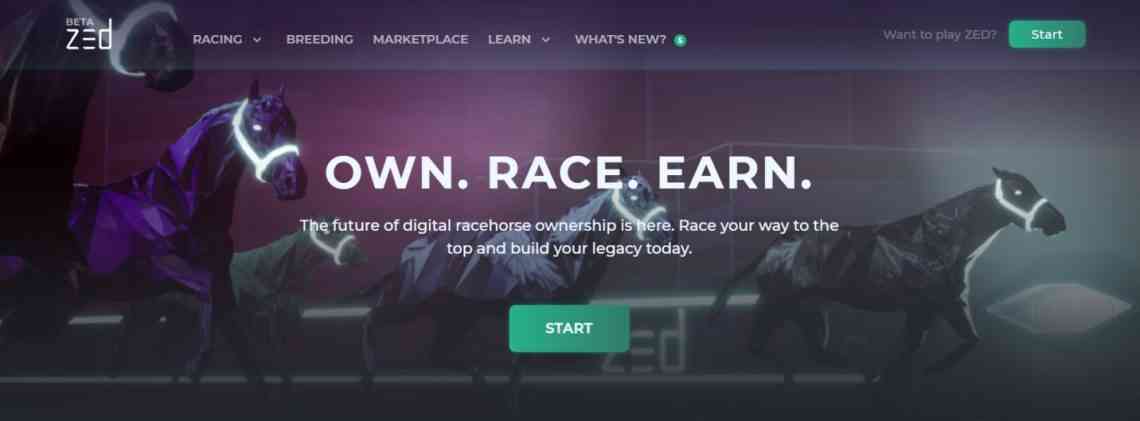
Create marketing experiences that tie into real-world experiences or parallel what your brand already does in real life. For example, AB InBev's beer brand Stella Artois worked with Zed Run in June to create a Tamagotchi-like experience crossed with the Kentucky Derby. They did this because AB InBev's Stella Artois is a major sponsor of sporting events, particularly horse racing. So creating an online platform where horses are traded, competed and bred with non-fungible tokens (NFTs) seems like a natural entry point for them.
Immersive experience is key
You can offer virtual advertising in the metaverse. For example, Bidstack, a video game advertising technology company, moved from working in real-world outdoor advertising to placing ads on virtual billboards.
However, you can go beyond virtual billboards. Since metaverses are experiential and immersive in nature, it's best to leverage this by offering the same immersive experience with your ads and marketing initiatives. Offer branded installations and events that users can interact with, rather than simply placing ads.
We've seen pioneers offer immersive experiences to their users, such as a Lil Nas X concert on Roblox, visits to the Gucci Garden experience and virtual interpretation of the Washington Heights neighborhood as part of the Warner Bros. promotion. Brands have recently discovered new revenue streams through collaborations with the Roblox metaverse and other metaverses.
Make collectibles available
People like to collect things, and the metaverse is yet another space to showcase their interests. You can make the same experience available in the metaverse by offering assets or limited edition items that they can only collect in the metaverse.
For example, the Gucci Garden experience in Roblox offers The Collector's Room. It allows people to collect limited Gucci items in the metaverse. Gucci, from its initial sales of collectible items, collected 286,000,000 Robux from the game.
Interact with existing communities
Generally, people are opposed to advertising. So, as brands try to penetrate the metaverse, it's important not to show up and annoy people who are already there. More than that, you will need positive reception from these users, as you will try to market to them.
Remember that you can't just jump into a new platform without considering the new format. On Roblox, for example, brands get more traction when they partner with members of the Roblox developer community to create items and experiences. Similarly, when O2 did a Fortnite concert, they partnered with creators who were already experts on the Fortnite platform.
Think of it as influencer campaigns. User-generated content is important, so community members become integral to the execution of your campaigns.
Continuous experimentation
It's an exciting time for marketers. While there are guiding principles that could inform what kinds of strategies and tactics marketers can do, the metaverse is still a generally new platform that offers a lot of room for experimentation. Best practices have yet to be properly established and paradigms have yet to be fully and comprehensively created. This gives marketers a lot of room to try to be unique and experimental in their approaches.
The future lies in metaverses
Now, many companies are investing in metaverses. They are betting on it, not only for entertainment purposes, but also for commercial and professional purposes.
For example, the largest social networking platform, Facebook, sees itself as a metaverse company in the future. Mark Zuckerberg is focused on building social metaverses and investing in Oculus, Facebook's AR and VR technologies. In August 2021, Zuckerberg unveiled a working metaverse for Oculus that allows people to work together, sit in a conference room and interact as if they were in an office. This is perfect timing, as more and more offices are switching to work from home.
More than Facebook, Silicon Valley, in general, has been busy betting on metaverses as the next generation of the Internet. There are also many games that currently incorporate metaverse-like elements into their platforms. For example, Fortnite and Animal Crossing allow in-game concerts.
On top of that, HTC is making its way towards business-based VR technology, rather than consumer-based. This is a sign that VR technology is slowly becoming more than entertainment.
If all of the above hasn't convinced you yet, then maybe this will: people are buying real estate in the metaverse, particularly on Earth 2. Now, that's a strong indication that the technology is here to stay.
Challenges in the metaverse
The metaverse promises an exciting future for brands, but there are still some challenges to overcome along the way.
On the one hand, although metaverses are gaining popularity, they can still use some more traction. Due to the technological requirements of metaverses, accessibility is an issue for them. Not everyone has access to the devices needed to enjoy the metaverse, such as high-end computers and virtual reality glasses. This greatly limits the potential market for brands and hinders mass marketing efforts.
Brands must also be careful when navigating metaverses. Seamless integration is crucial to avoid alienating players from the brand. Because the technology is new, brands may still struggle to find their proper place in the metaverse and their messaging may be too direct. Plan your placements well and make sure it feels natural and well integrated into the metaverse.
There are also many misunderstandings surrounding metaverses. People often think of them as simply a game for children. Not everyone understands the value of metaverses, so brands run the risk of not being taken seriously for their efforts to establish a presence within these platforms.
Privacy and data security continue to be a challenge in the metaverse. With new technology comes the need for more evolved security measures. This requires building new methods of privacy and data protection where there were none. For example, personal verification may require more data from users, which increases data privacy risks.
Finally, because metaverses are free for all, brands must be careful to protect their image. The more control users have in a metaverse, the greater the likelihood that your brand will appear alongside questionable content. There is also the risk of users destroying or disrespecting your locations. This is why it is important to be fluid, conscious and precise with your marketing strategies so that users can feel good about sharing virtual space with you and interacting with you there.
Ultimately, metaverses offer a promising future for computing and the Internet. Moreover, they offer plenty of room for innovation for marketers and advertisers alike. Despite these challenges, the opportunity to be experimental, provide an immersive experience and be innovative triumphs.