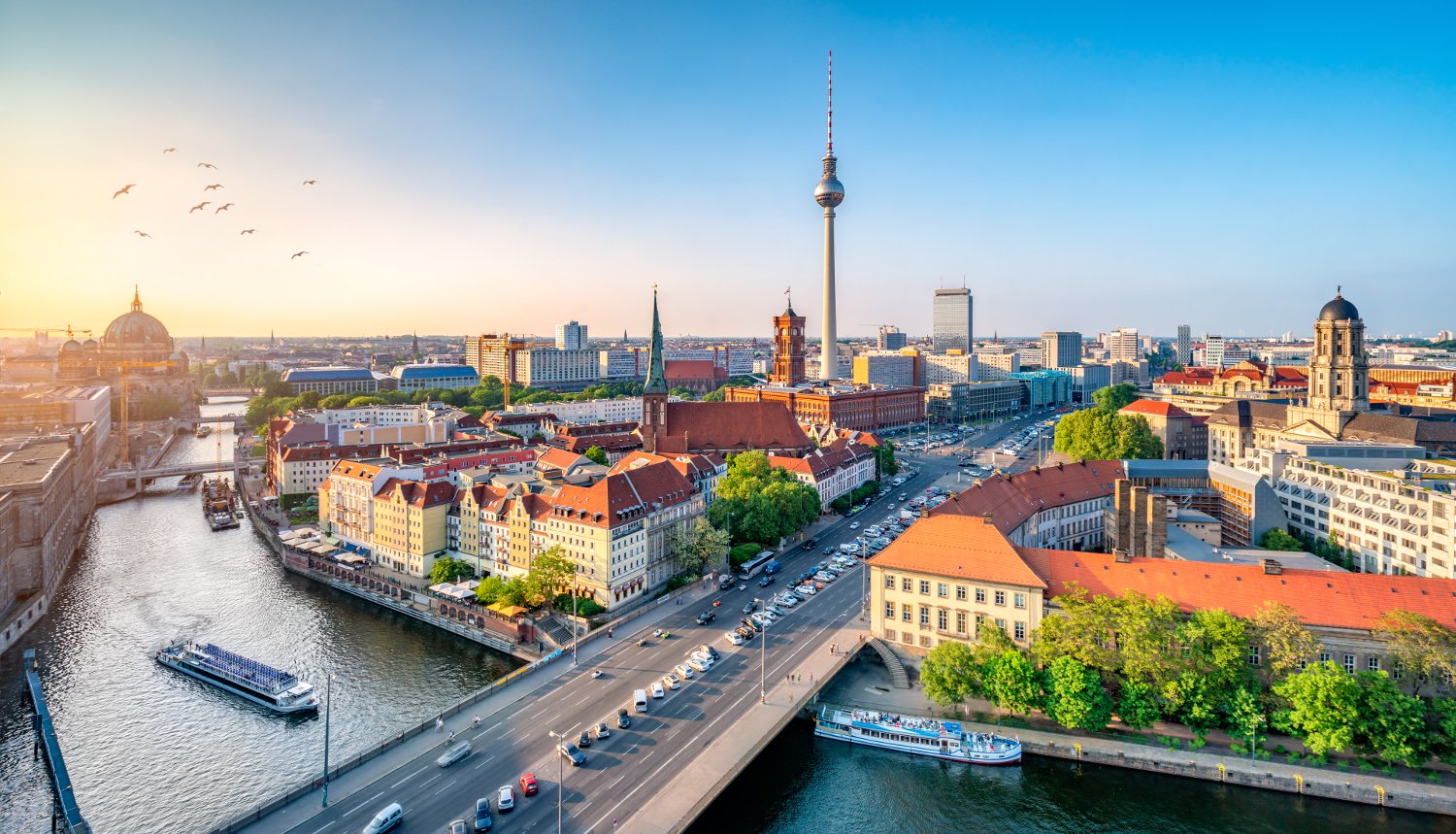
In recent years, Germany has been considered an example to follow. It is the most stable economy after the financial collapse of other European countries. But what really drives this country, whose workers work 35-hour weeks, to be so powerful?
Knote, a website specialized in productivity, analyzes four key factors that have made Germany the country of reference today:
Working hours mean working hours
In the words of a young German woman in the documentary 'Make Me A German' (BBC): "I was in England during an exchange... I was in the office and everyone was talking about their private business... and all the time drinking coffee". This astonishment produced by such an everyday situation is symptomatic of the cultural differences that exist in Germany. You are not allowed to use Facebook or your cell phone for private matters, you cannot use e-mail for personal matters, and you cannot talk to colleagues about non-work matters during working hours. This series of prohibitions is a reflection of a society that focuses on tasks, allocating the time that belongs to each task.
Direct communication
In a communication process, information is always lost in the intermediaries. The fact is that the long path that a message has to go through before it is heard by the top management is very complex in many jobs. In the German model, however, employees consult directly with their superiors about proposals, new alternatives or possible suggestions. In this way, information flows directly and without intermediaries.
The importance of having a life outside of work
The technological age has meant that our working hours are often longer than expected. Who doesn't receive e-mails when they've already arrived home? Or who hasn't had to stay at work to arrange a meeting at a certain time? Not in Germany. When working hours are over, they are over; there is even a legal prohibition on receiving work-related e-mails after 6 p.m.
Combining paternity or maternity with work
The German model of paternity or maternity leave is the most permissive and longest of the developed countries: 14 months (divided as needed) with a salary of 67% of their usual salary to be provided by the State. In addition, a similar leave for 3 years (albeit unpaid) can be requested by either spouse, and they can return to work afterwards.
Excerpt from the article published on the website of Forbes España magazine.