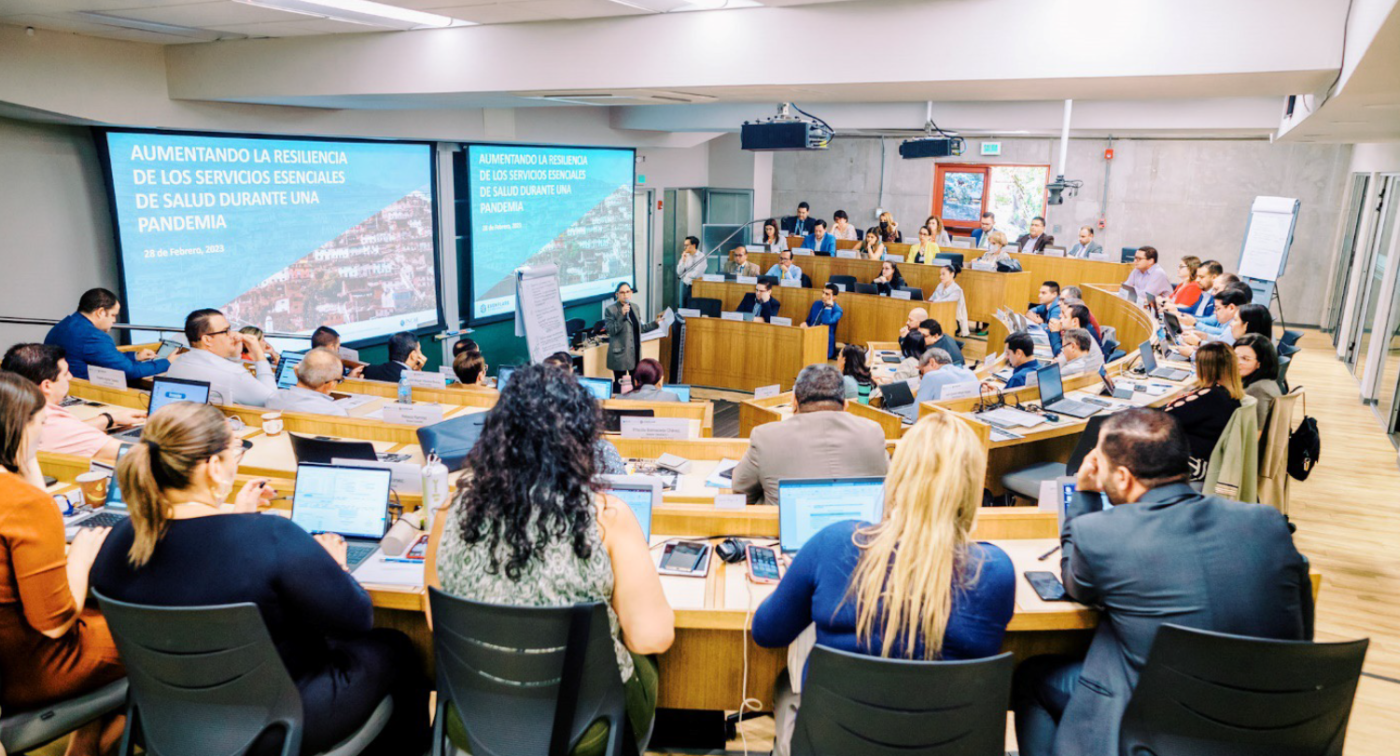
Last week, INCAE Business School organized together with the Executive Presidency of the Costa Rican Social Security Fund (CCSS), an event to present the results of an investigation on the maintenance of essential health services in the midst of the COVID-19 pandemic. Among the results, in the case of Costa Rica's response, the importance of horizontal and vertical integration of the system for the transfer of patients between CCSS health facilities was highlighted.
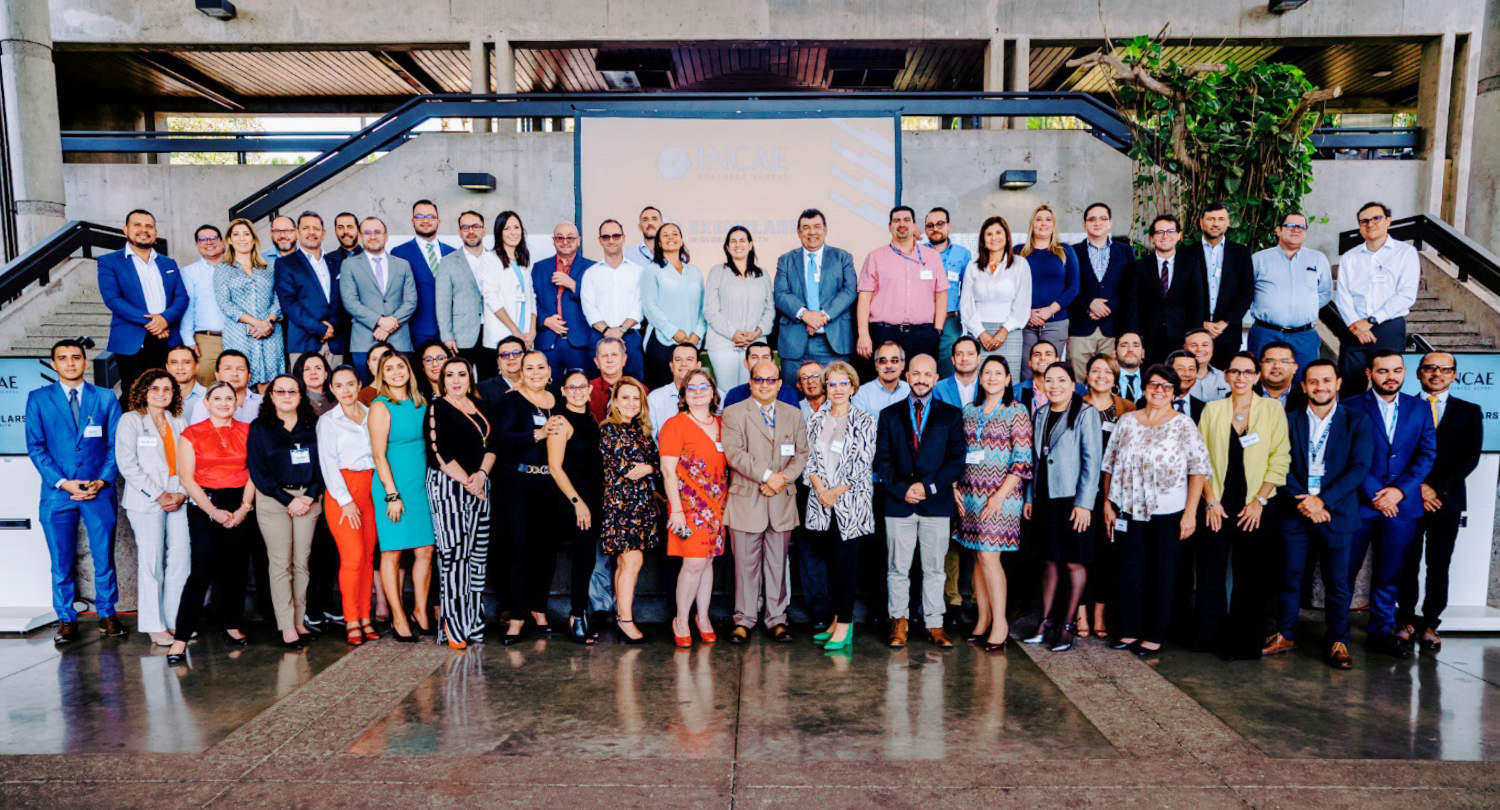
The event was attended by the directors of the country's main hospitals, Regional and Health Area Directors, the Medical, Administrative, Logistics and Infrastructure Manager of the Social Security, members of the Board of Directors, as well as the Executive President of the CCSS, Marta Eugenia Esquivel.
The research mentioned the challenges faced by the health system during the COVID-19 pandemic and how essential services were affected in Costa Rica and in various parts of the world. However, it also highlighted the measures taken by the CCSS and the Costa Rican health system to maintain essential services, and ensure adequate medical care to all citizens. Concrete examples were presented of how the CCSS has successfully implemented this strategy, allowing the transfer of patients through effective coordination and communication between Primary Health Care, hospitals and specialized centers.
The event also highlighted the importance of the Single Digital Health Record (EDUS) for tracking patients in the system. EDUS is an electronic record of patients' medical history, which allows healthcare professionals to access information anytime, anywhere. This ensures that patients receive appropriate and continuous medical care, even if they are transferred to different health facilities within the institution.

Marta Eugenia Esquivel, Executive President of the CCSS
The executive president of the CCSS, Marta Eugenia Esquivel, mentioned that the research presented is a testimony to the hard work and dedication of all health workers in Costa Rica. She also emphasized that "a priority is decision making based on real data, considering that the CCSS is perhaps one of the institutions with the largest amount of data and we must base our decisions on data management to improve the quality of life of our users, we are going to work on a data policy for the institution."
During the event, attendees discussed this topic and worked in workshops to identify actions that the CCSS can take to increase its resilience to future health crises. They also highlighted the importance of the study and the need to learn from successes to maintain them and mistakes to prepare the CCSS to guarantee adequate medical care to all patients, even in times of crisis.
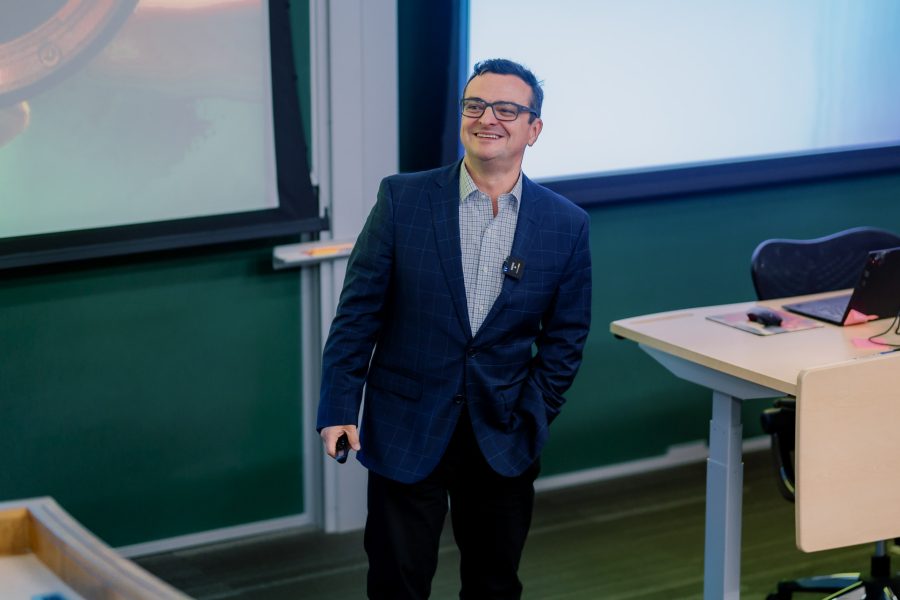
Andrea Prado, Associate Professor at INCAE Business School and Principal Investigator of the Costa Rica Chapter, mentioned the importance of Management Schools helping to strengthen the management of healthcare systems and organizations. "Health management and healthcare systems face significant challenges, which need to be addressed through efficient and effective resource management and data-driven decision making."
Professor Prado also emphasized that "from INCAE we seek to provide knowledge and management skills to the leaders of these organizations, including process optimization, identification of opportunities for improvement and implementation of effective solutions, always emphasizing better patient care".
The research was supported by the Exemplars in Global Health Program, an initiative that aims to identify and analyze exemplary practices in health systems around the world. The program seeks to understand the key characteristics that make health systems effective, and to share these learnings with the world to improve global health.
The event was an important opportunity to share knowledge and experiences in maintaining essential services during the COVID-19m pandemic and the importance of resilience in health systems. The full research report from the Costa Rica chapter is available on the Exemplars in Global Health website.

About the Exemplars in Global Health program
Exemplars in Global Health (EGH) brings together researchers from around the world with the mission to identify and analyze exemplary cases in Global Health, and disseminate learnings that are replicable in countries with similar contexts. EGH aims to help decision-makers and other relevant actors at the national level to allocate resources, develop evidence-based policies and make strategic decisions based on the experiences of their global peers.
Our lines of action focus on the following topics: stunting reduction, under-five mortality reduction, community health worker support, vaccine administration, mass drug distribution, neonatal and maternal mortality, COVID-19 response, family planning, anemia among women of reproductive age, women's health and well-being, primary health care, and adolescent sexual and reproductive health and rights. This particular research is within the framework of pandemic preparedness studies.