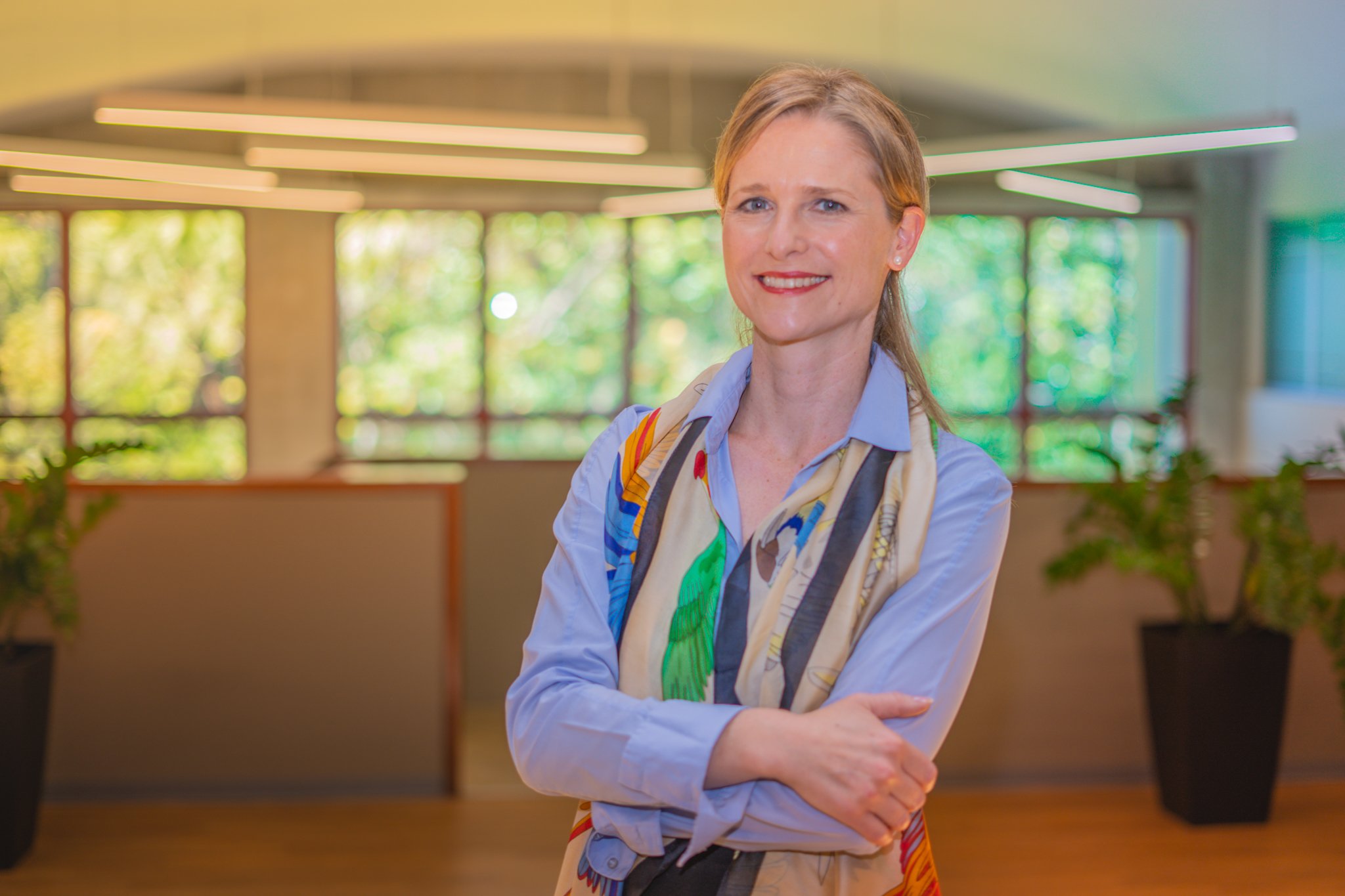
An Interview with Professor Silke Bucher.
In today's fast-paced and competitive world of work, personal resilience and psychological safety have emerged as fundamental pillars for the success and well-being of professionals.
In a recent interview with Professor Silke, these concepts were explored in depth, providing valuable insights and practical advice based on her extensive experience in challenging environments such as McKinsey and her academic research. This article seeks to delve deeper into these topics, integrating theories from renowned authors and Professor Silke's insightful observations, to offer inspiring and grounded guidance on how to develop personal resilience and foster psychological safety in the professional setting.
Personal Resilience: Facing Challenges with Determination
Personal resilience is the ability to adapt positively to adverse situations, overcoming obstacles and staying focused on goals despite difficulties. Professor Silke emphasizes the importance of resilience, stressing that "continuing with one's career despite challenges and learning to set personal boundaries" is crucial for professional and personal growth.
Resilience Theory
According to Dr. Ann Masten, a leading researcher in resilience, resilience is a "common capacity for positive adaptation in contexts of significant adversity" (Masten, 2001). Resilience is not an innate characteristic, but a dynamic process that can be developed and strengthened over time through experiences and learning.
Resilience Development
Professor Silke shared her experience at McKinsey, where she had to adapt to constant feedback that often touches on important points and is very enriching, but sometimes also draws attention to elements that can only be improved in the long run or that seem unfair. That's why sometimes feedback in the work environment requires a clear decision and a personal intention to work on areas for improvement or else think about changing the job profile, your ambition or the workplace. "There were situations where I had to make a clear decision to stay and keep growing, redoubling my efforts and accepting certain feelings of frustration," she explained. This decision allowed her not only to improve her skills, but also to develop greater emotional resilience.
For students and young professionals, Professor Silke advises preparing for the work environment and learning to take feedback as an input for improvement; and at the same time, managing the communication of achievements (or obstacles) appropriately to avoid feedback that (subjectively) feels unjustified and can damage motivation and morale. This involves learning to show their successes authentically without appearing arrogant and connecting them to teamwork, which not only benefits the individual, but also the organization as a whole.
Psychological Safety: Creating Trusting and Collaborative Environments
Psychological safety, according to Professor Amy Edmondson of Harvard Business School, is "the shared belief that the team is safe for interpersonal risk-taking" (Edmondson, 1999). This concept is fundamental to effective team functioning and innovation in organizations.
Organizational structures favoring psychological safety
In environments that emphasize collaboration and merit, it is easier to have a psychologically safe environment. In contrast, organizations that value status and rank, and where power is centered in a few people, run the risk of employees being afraid to share their opinion, make and admit mistakes, or ask questions. This can create toxic environments that work at the price of personal well-being, clearly limiting the full potential of what individuals could contribute and limiting innovation, because innovation always carries the risk of failure. If, for example, your boss can define your salary, the content of your work, the evaluation criteria, and is the only person who evaluates you, an enormous dependency is created at the risk of diminishing psychological security.
Again, McKinsey is a positive example: typically, you have different bosses and people who evaluate and support you in your career: a formal boss for day-to-day work and/or project assignments, a team "boss" for the projects you are involved in, people who give you an evaluation based on 360° feedback.
Practices that promote psychological safety
Professor Silke highlighted examples of organizations, such as McKinsey, that promote constant feedback and support for their employees. "Psychological safety improves crisis responsiveness and collaboration in teams," she said. At McKinsey, feedback after each project and twice a year from different team members is a common practice that fosters personal and professional growth.
In her research for her PhD, Prof. Silke worked in hospitals where it was crucial for all departments to collaborate to improve processes for patients, because each department and each profession involved (doctors, nurses, anesthesiologists, admission, technical teams, etc.) only knows one part of the process. "It was possible to create spaces in which the new doctors in training felt heard and could share their opinions on opportunities for improvement, even though the chief of surgery - the most powerful and previously feared role - was also present," he recalls. Here it was crucial that the chief demonstrated that he did not have all the answers and explicitly invited others to "think outside the box." This attitude and environment not only led to process improvements, but also transformed the organizational culture, fostering a more collaborative and psychologically safe work environment.
Overall, leadership plays a crucial role in creating and maintaining a psychologically safe environment. Professor Silke suggests that even leaders who are not at the highest level can create these environments within their teams. "The most direct boss has a direct impact on how the team feels," she explained. In addition, leaders can work horizontally with colleagues to strengthen bonds and foster collaboration.
Regulations that support mental wellness and psychological safety
Although psychological safety is crucial for the well-being and efficiency of teams, formal regulations in this area are scarce. Professor Silke mentions that globally there is the Mindful Business Charter which is "a practical framework that encourages us to be more reflective about the impact we have on each other. It allows us to speak openly and honestly with others, providing a common language based on four pillars" (respect, communication, rest periods, collaboration and delegation); furthermore, in some sectors, there are self-regulatory platforms and standards, such as the "mental health standards" in the legal industry. These standards, although not mandatory, can serve as guidelines to improve the work environment and promote psychological safety.
Personal resilience and psychological safety are essential for success and well-being in the work environment. Through an interview with Professor Silke and the integration of theories from renowned authors, we have explored how these concepts can be developed and fostered in organizations. Resilience enables us to face and overcome challenges, while psychological safety creates an environment of trust and collaboration where ideas can flourish. By implementing these practices, we not only improve our own performance, but also contribute to the success and sustainability of our organizations.
Silke Bucher: of German and Swiss nationality, is a professor at INCAE Business School with a specialization in Organizational Behavior and Leadership. After completing her Master of Science in Business Administration at the Catholic University Eichstätt-Ingolstadt, Germany, she obtained her Ph.D. in Organizational Change from the University of St. Gallen in Switzerland. She completed her post-doctorate at the Chair of Strategic Management in Pluralistic Environments at HEC Montréal, Canada. She was team leader and expert consultant for organizational culture at McKinsey & Company, Costa Rica. Until now, her research has focused on organizational change and inter-group collaboration.
We are deeply grateful to Professor Silke Bucher for her generosity in sharing her time and knowledge. Her experience and wisdom have been instrumental in the preparation of this article.
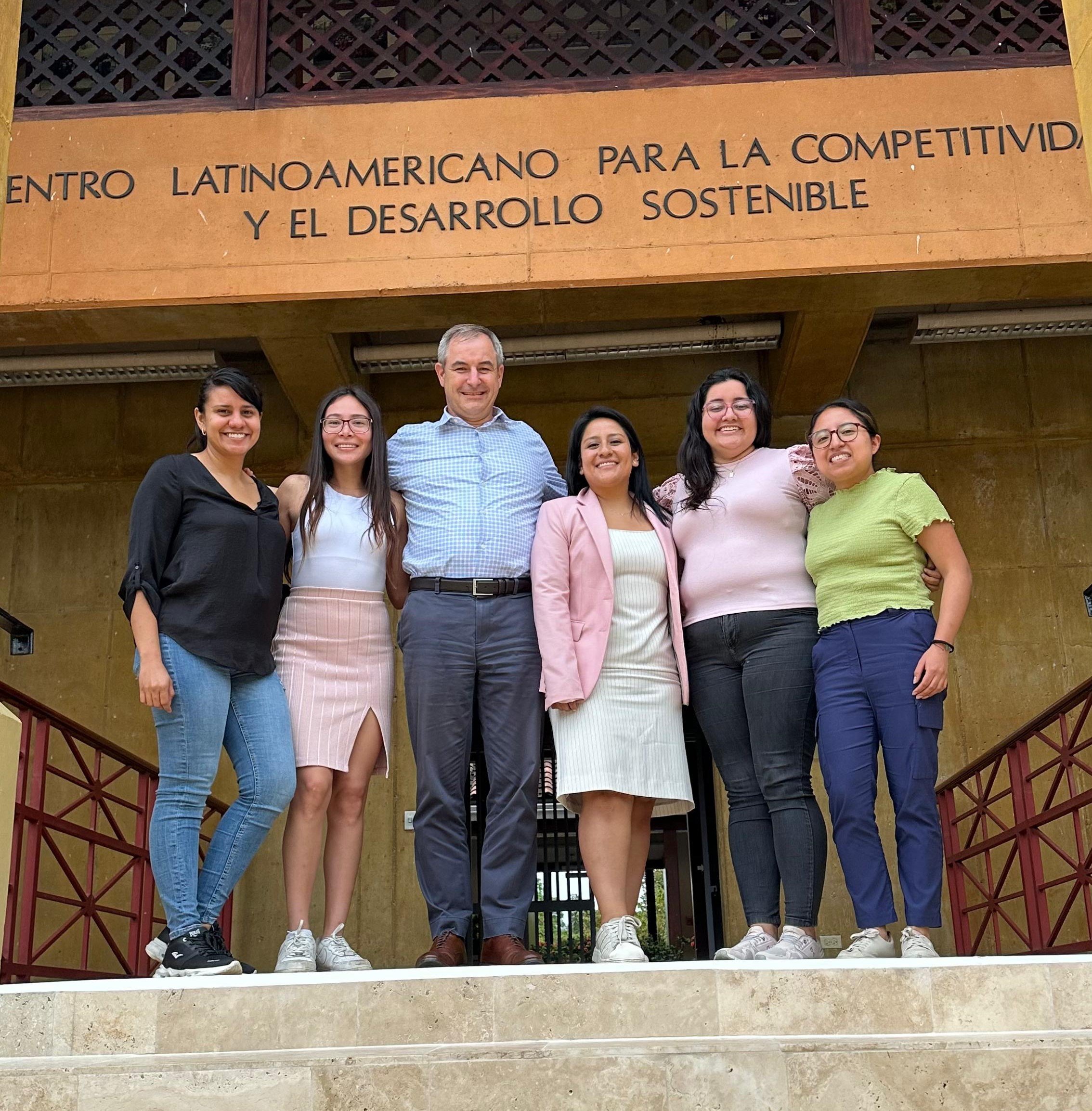
Interviewers
Valeria Vega & Cintia Cerda
Written by Valeria Vega