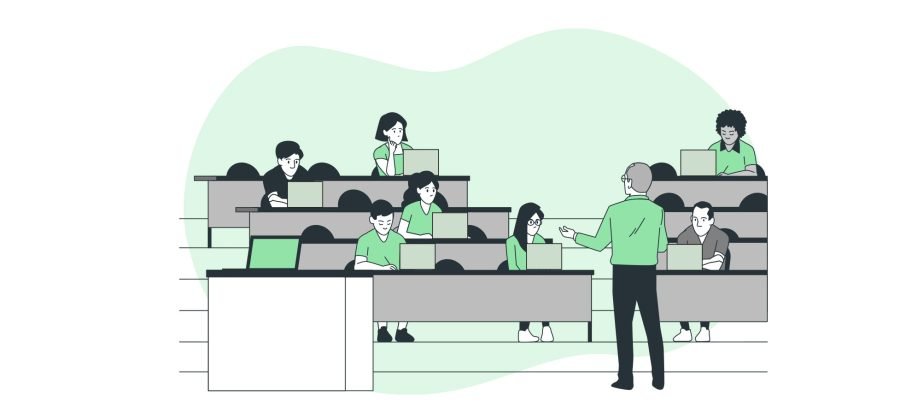
No. 27, May-June 2024. During the period between 2009 and 2024, 27 classroom observations were carried out in which, in addition to the observed, six observers participated, all colleagues from the Faculty of INCAE from various disciplines. They applied a three-step method: a pre-class meeting, a live observation and a post-class meeting. The purpose of this issue of A quemarropa is to summarize the results and lessons learned from these observations.
Let's start with the pre-class meeting, which consists of answers to two questions: what are the learning objectives for the session, and what are the aspects of your teaching that concern you and that you want to improve?
Eighty percent of those who responded to the first question had objectives not only for knowledge acquisition, but also for skills development and/or attitudinal changes on issues such as sexual discrimination in the workplace or questionable business practices. These are essential learnings for future business leaders, which the case method study provided to students.
The main concern of those observed was the deviation or stagnation of the case discussion: what to do when it goes the other way or when it goes neither way? Other areas of anxiety or desires for improvement had to do with time control, planning the discussion blocks, how to integrate concepts from the technical note into the discussion, and how to plan the closing.
The second stage is live observation, in which the observer can employ several methods: semi-transcription, recording, mapping or by exception. I prefer semi-transcription, taking notes on what the instructor says, how the students respond, and what the mood of the class is throughout the session, so that I have a baseline of information to share with the colleague.
I try to schedule the meeting after the class within 24 hours, but not immediately, because it takes time to organize the notes. I usually start the meeting by asking the colleague what he thinks went well and when he was having difficulty, and then we get into a discussion about these points, focusing on what didn't go so well. I am always reminded of Jim Heskett's words, when he observed to me in a session at HBS: "You didn't take advantage of building on X's comment" and "you let Z spread himself too thin...deal firmly with the time wasters."
Among the most frequent feedback after classroom observations at INCAE are "let students debate with each other and not just with you" and "expand your repertoire of questions; use less "What" and more "How" and "Why."
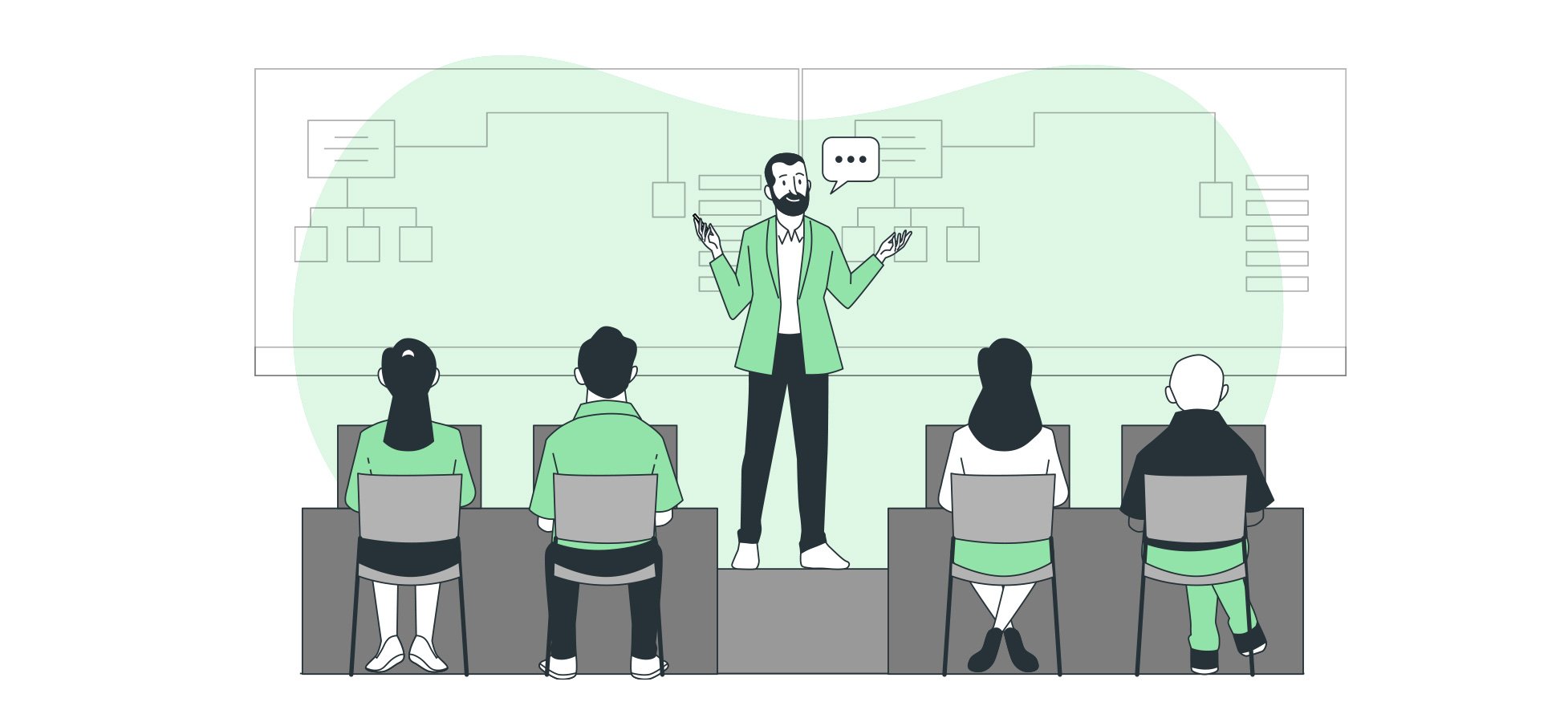
The after-class meeting is an opportunity to explore together, with the colleague, ideas for improving case teaching. In a post-class conversation with a colleague who was concerned about the use of the whiteboard and the design of the closing, we came up with the idea of structuring the whiteboard plan in such a way that it could be used as a script for the closing.
Classroom observation offers benefits for the observer-techniques they can try in their own teaching-and for the observed-the rare gift of honest, objective feedback. It is a healthy practice that strengthens the culture of collaboration and hopefully will continue.
John C. Ickis
Image by pikisuperstar on Freepik