This is the German paradox: it is the country of small and medium-sized enterprises, the vast majority of which are family-owned, and which are at the same time the source of its great international prominence.
Germany's particularity is that its participation in the process of global integration of capitalism through trade and investment is not primarily through large transnational corporations, but through small and medium-sized companies (responsible for 68% of total foreign sales).
Germany's medium-sized manufacturers, known as Mittelstand, form the backbone of the world's fourth-largest economy. They comprise some 3,000 companies with revenues of between US$150 million and US$1.5 billion per year. They are companies extraordinarily specialized in a single product of high technological value and global reach, which compensate for the high risk inherent in extreme specialization with remarkable international diversification (an average of 16 countries each).
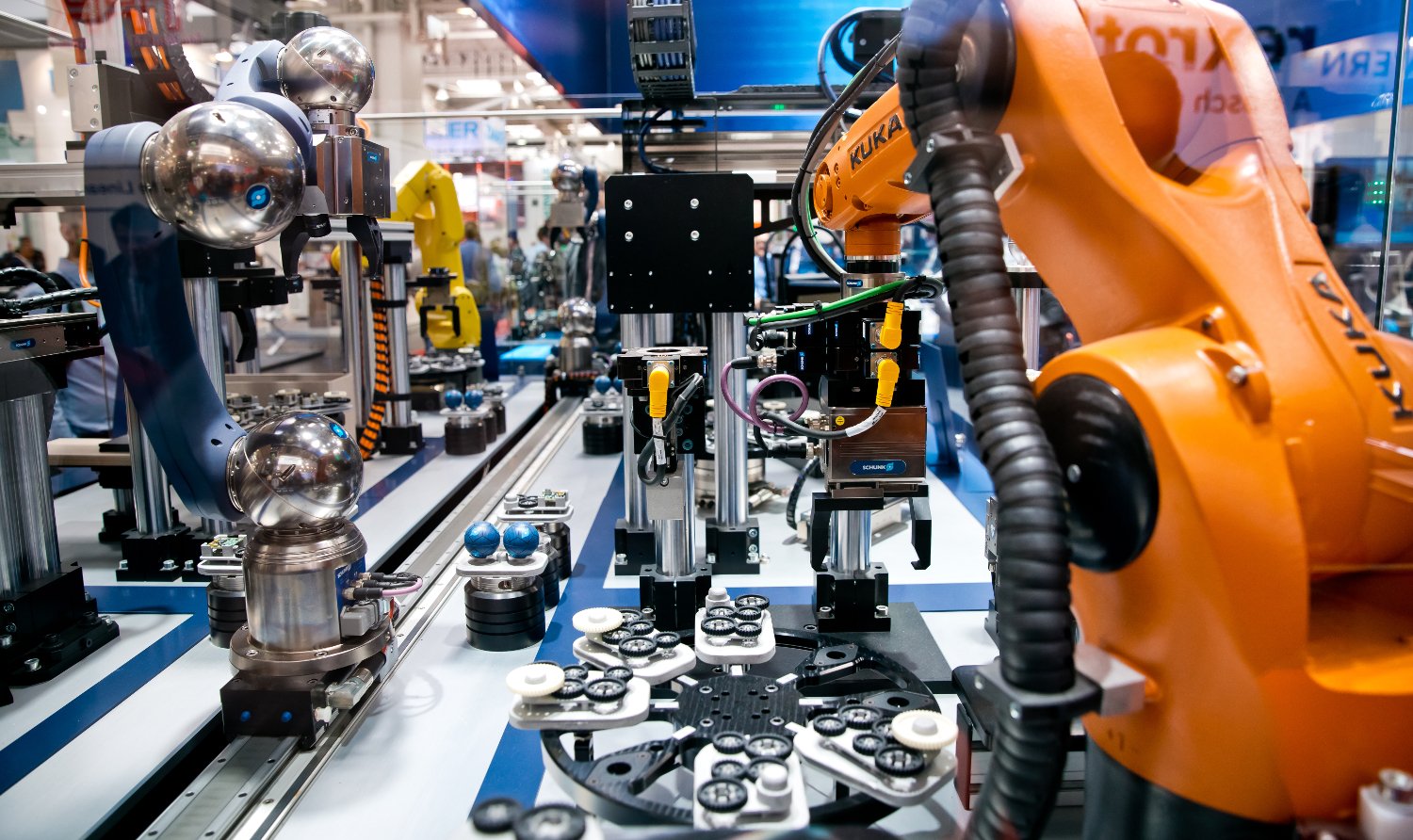
These highly knowledge- and capital-intensive transnational SMEs specialize in the production of advanced machinery, auto parts, chemicals, and automated electrical equipment. Their leadership in these global niches is assured because they compete on quality and brand (usually a hundred years old or more), not on price.
The Mittelstand refers to an alternative economic model to the Anglo-Saxon model of industrial organization, and its small and medium-sized companies share aspects of corporate culture:
Long-term. The long-term vision of small and medium-sized companies is one of their most characteristic features, basing on this aspect the quality of the product and after-sales service they offer, as well as their relationships with suppliers, customers and employees.
Hyperspecialization. These are niche companies and, generally, intermediate products with low visibility for the general public, but fundamental to the functioning of consumer products. Germany is the European leader in patent registration.
Innovation. They are aware of the importance of investing in R&D as it allows them to advance and transform their production processes, positioning themselves as leaders in their hyper-specialized market. Germany invests 2.94% of GDP in R&D, above the European average of 2.03%.
International vocation. Generally, they operate in highly concentrated markets bordering on monopoly, diversifying abroad thanks to economies of scale.
Family-run with German rigor. They are owner-managed and the companies are passed on from generation to generation, with a focus on creating personalized, long-lasting and sustainable relationships with both customers and suppliers, making them loyal distributors.
More medium-sized than small. The size of the SME does matter. The larger the company, the more diversified the sources of financing and the more common it is to be an exporter. In addition, the larger the company, the more longevity it tends to have, which means a more consolidated production capacity and market penetration.
Sense of belonging. Motivation and identification is a key aspect of this type of German companies, which have loyal employees with high performance that is reflected in the company's profitability. The family management bodies strive to create lasting ties not only with their suppliers and customers, but also with their employees.
Excerpt from articles published in the Argentine newspaper Clarín and the blog of Luis Pardo Céspedes, CEO - EVP Sage Iberia.