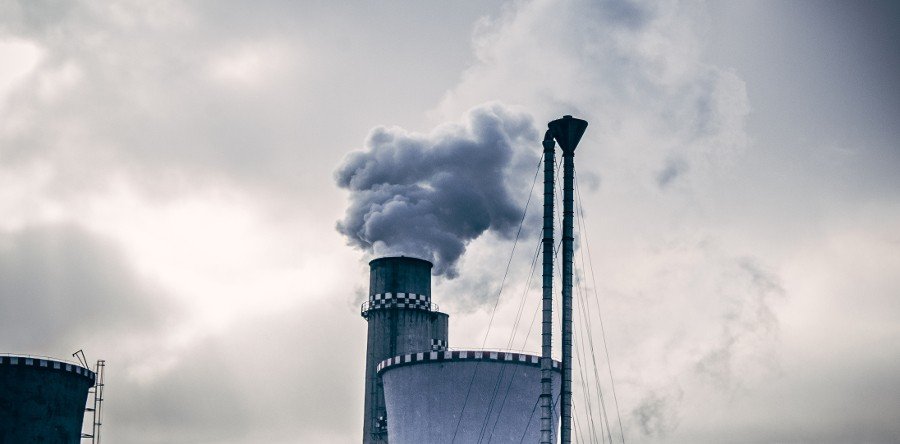
A study conducted with Latin American companies in 2016 revealed that the main risks they perceive are related to climate change: large-scale involuntary migration, adverse weather events, the possibility of failing to adapt to changes, interstate conflicts...
Following the COP 21 Paris 2015 Congress, which brought together 28,000 participants around a common denominator: climate change, countries made commitments to mitigate the effects on the world.
The countries of Latin and Central America, with the exception of Nicaragua, which was the only country in the world that did not offer commitments, decided to work on actions to reduce greenhouse gas emissions.
Along with nations, companies are responsible for mitigating the effects of pollution, and the big question is, what is the logic of acting at the corporate level?
Around climate change there are many risks that organizations must master to turn them into a competitive advantage, something that is not new, as dealing with climate has been an integral part of doing business.
The risks associated with climate change are divided into Value Chain Risks and External Risks, which in turn are subdivided into several categories, starting with Value Chain Risks:
Physicists
Damage to infrastructure and other assets related to the frequency and intensity of adverse weather events.
Prices
Adverse events affect the relative prices of resources. There is volatility of raw materials and commodities.
Products
They can become unpopular, obsolete or simply unsaleable.
In the face of these risks, companies can adopt a "design for sustainability" vision; create new products designed to minimize waste and promote recycling; and finally, redefine corporate strategy to align the company's interests with climate change adaptation and mitigation.
External Risks are related to rating, reputation and regulation. The first are those related to the increase in capital costs due to exposure to climate change.
Reputation has to do with the probability of losing money due to the company's activities or positions that the public considers harmful. Here we can talk about loss of profits, investors and even employees, who may not agree with the company's policies on sustainability.
Finally, there is the regulation in which the government takes the reins and decides to intervene, it decides for more taxes, instead of subsidies. This is more difficult to determine when you are in an electoral context, because decisions can be very changeable.
In the face of these risks, companies can take the lead by preparing and helping to formulate new legislation; having an adaptation and mitigation strategy that can anticipate regulation and, in addition, involve all parties to take the pulse of the debate.