Interview with Prof. John Ickis
American John C. Ickis is a specialist in strategic process planning and execution. Author and co-author of a number of articles, case studies and [...]
American John C. Ickis is a specialist in the planning and execution of strategic processes. Author and co-author of several articles, case studies and reflections on leadership, competitiveness, human resource generation, strategic development, among others, presenting his approaches and providing advice in Central America, China, South Africa and the United States in various research centers and universities.
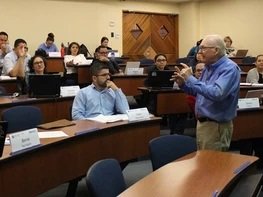
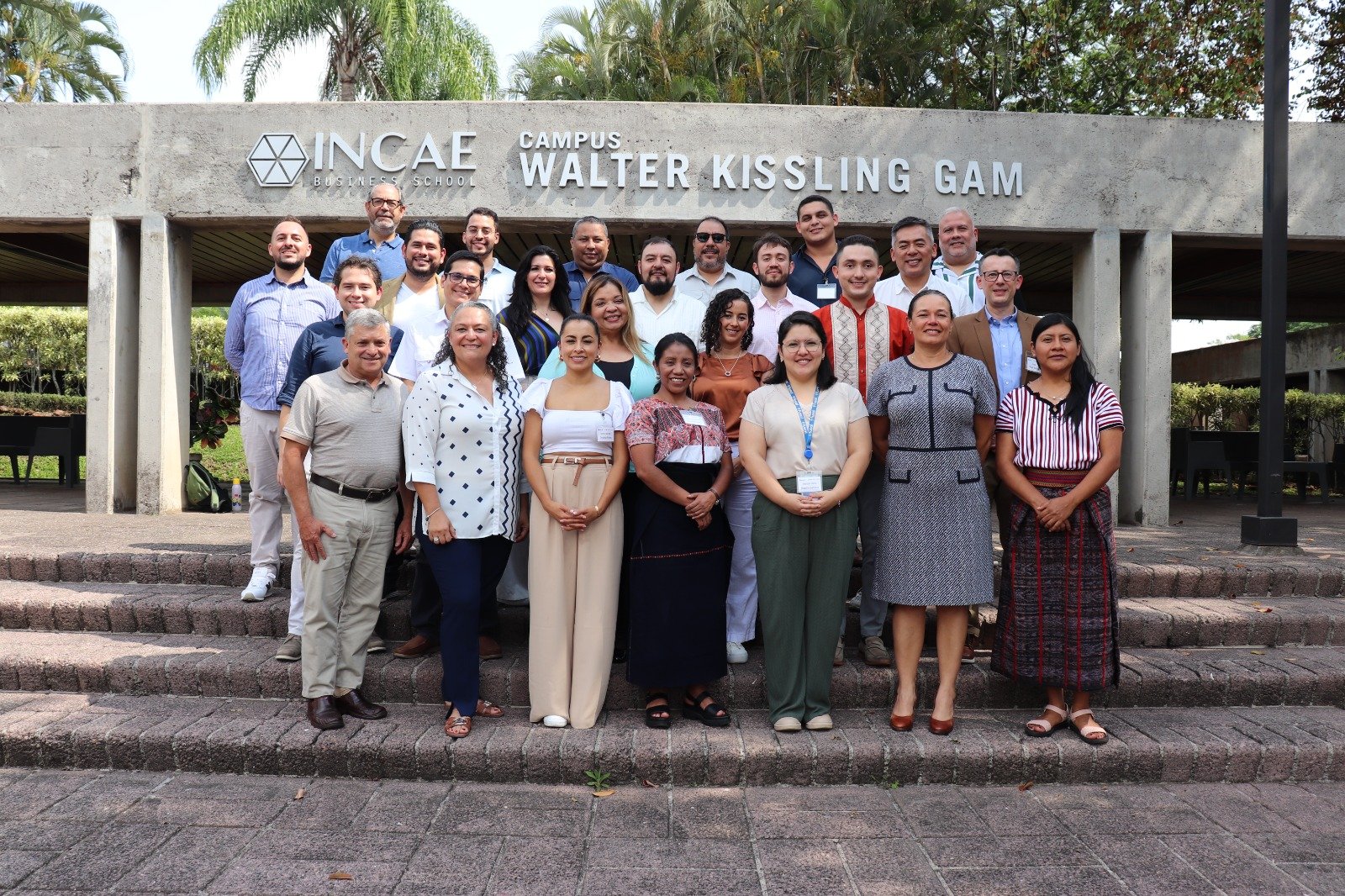
He is part of the group of professors of INCAE Business School that teaches in the CAHI Fellows Program since its inception in 2014. We had the honor of interviewing him before his class in the Second Module that the 6th Generation is currently studying.
How did your connection with the CAHI Fellows Program come about?
John: I got involved initially at the invitation of Dr. Andrea Prado. I have participated in two ways: in the workshops that are held, in my area of organization, learning styles, decision making; and also as a mentor for the CAHI Fellows, which has been very interesting for me.
Since 1972 I have been involved in some way in the health sector, through projects we had with the Ford Foundation in the area of maternal and child health and others to improve the management of clinics in rural areas. I have worked for several years in case writing, some of which are still in use. I have also had the opportunity to advise institutions such as the Costa Rican Social Security Fund.
What has been your contribution to the CAHI Fellows Program?
John: I think mainly in the area of project organization and implementation, in learning how projects are done, how you try to match resources with people over a time frame to ensure the achievement of program objectives.
How do you perceive the evolution of the groups within this formation?
John: It's very interesting, because initially we focused on the impact that each CAHI Fellow achieved with their project and that is still present. But what we are seeing now, I was able to see recently in talking to some CAHI Fellows in Guatemala, is that there is now exchange.
I will give you an example: I was a mentor for a project in Nicaragua, focused on the quality of service of a clinic in that country, for a sector of the population that has more opportunities to access medical care. I wanted this project to have a broader social impact, covering more sectors of the population, and the opportunity arose through an exchange with another CAHI Fellow in El Salvador. When they came into contact, they were able to apply the findings and learning about quality of care in a public hospital in El Salvador, so there was an effective transfer of knowledge.
This is a sign of how the CAHI Fellows are communicating, how they are keeping in touch throughout Central America, which is a source of innovation in the area of health. I believe this evolution will continue and result in many successes.
Do you think this impact will be sustainable and strengthen over time?
John: I think so, because what is needed is innovation and entrepreneurial spirit, and that is what the CAHI Fellows have. I see that there is a lot of motivation among them, they have very interesting projects and are generating learning. Their findings and knowledge is a factor that is multiplied throughout the region, which is precisely what the health sector needs. That is why I am confident that this CAHI Fellows Program will continue to generate relevant contributions in project innovation that benefit the population in need in Central America.
How do you see the evolution of learning and knowledge within the Program?
John: It has been very satisfying and in the last two years I have had the opportunity to develop material and gather information for case studies, which is not only useful for CAHI Fellows, but in other executive seminars and programs such as MBAs, so that future business leaders also have sensitivity and information about the needs and innovations in the area of healthcare. I believe that in the long run this can be a very significant contribution, that we can communicate with other sectors about what is being done to improve health in Central America.
Do you remember any of the case studies you can refer us to?
John: Maybe the one we will be working on this Friday: it's called TeenSmart, an organization that works with young people between 10 and 24 years old, to avoid risky behaviors and generate new habits. TeenSmart addresses practices such as tobacco and drug abuse, risky sexual practices, sedentary lifestyles, poor diet, everything that subsequently generates diseases that represent huge expenses for families or huge budgets for the State. Changing these behaviors is a win-win situation for all actors in society.
TeenSmart is a very successful organization, which has won important international recognition, has worked with support from the IDB, the Carlos Slim Foundation, among others. Now it wants to expand its work, reaching more young people using Information and Communication Technologies. The challenge is how to achieve this while maintaining the quality of its model, which relies heavily on direct and personal contact with volunteer counselors.
We will discuss this case with this group of CAHI Fellows, in the presence of the TeenSmart Board of Directors, to generate ideas and look to the future.