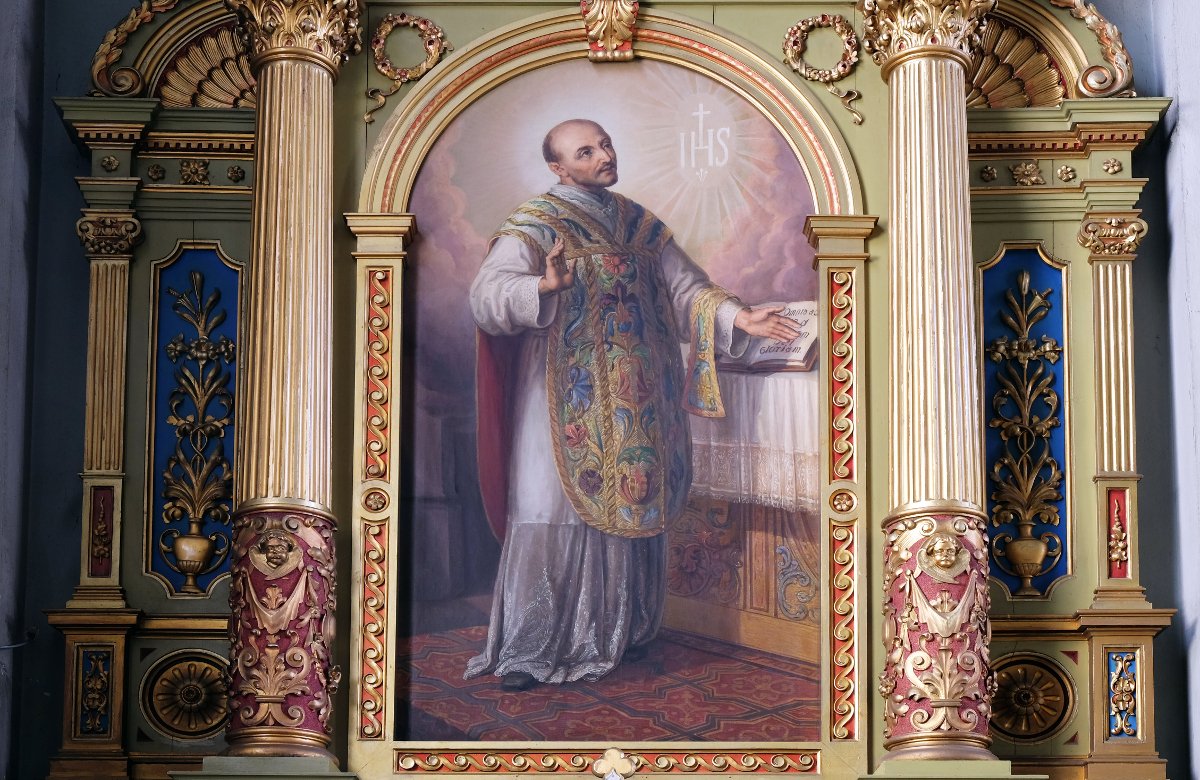
St. Ignatius of Loyola was a pioneer in the world of leadership. Almost four centuries before anyone received the first MBA degree, the founder of the Society of Jesus knew how to lead an organization that, seen now, has enormous parallels with a multinational.
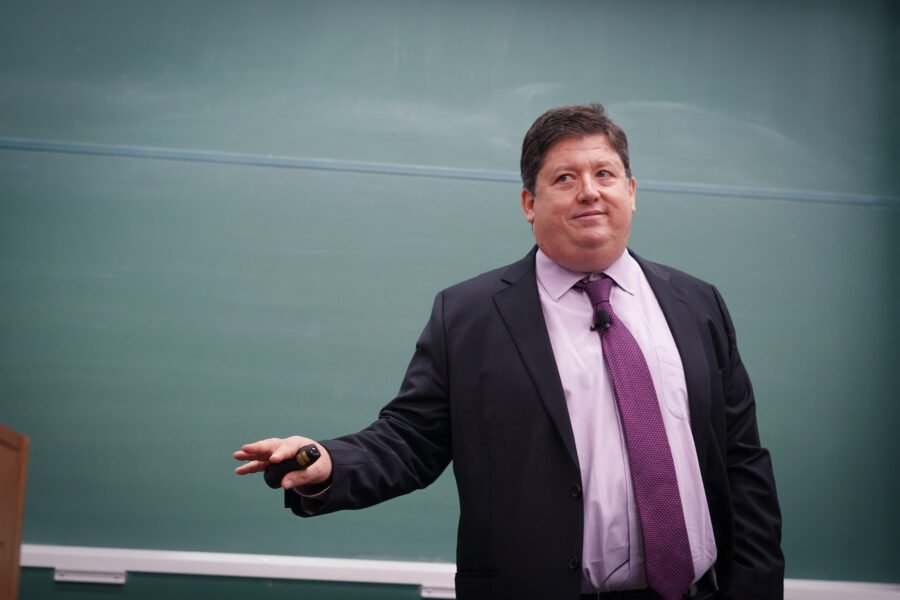
So writes Paul Almeida, dean and William R. Berkley Chair at the McDonough School of Business, Georgetown University, in Washington DC, in the Financial Times.
The article, entitled "Why a 16th century saint is a model of modern management", describes the examples set by this military and religious man born in the Kingdom of Castile in 1491, at the dawn of the Counter-Reformation.
The founder of the Jesuit order, without ever thinking about business, managed to promote an organization that five centuries later maintains a strong sense of community and commitment of its members around the world. What made him so successful? Here is a list extracted from Almeida's article.
Setting an example
Íñigo, as he was called in his Basque origin before his religious facet, came from an environment of wealth and made a severe vow of poverty that allowed other followers to believe in the project and commit themselves in the same way. Moreover, he always kept in direct contact with all levels of the organization. No one from above perceives the problems at the grassroots.
Shared governance
Although he is clearly the leader of the organization, he never worked alone. From the origin of the idea, in the pilgrimages, in the ordination in Rome and in the preaching... he was always the leader of a team that also made decisions. He knew how to delegate responsibilities in times when it was fashionable to act in a hierarchical manner, partly because he knew how to cultivate trust in those around him.
Inspire
Rather than articulating a vision for the organization and taking action with the idea that others would follow him out of obedience, his virtue was in inspiring others to participate on their own initiative within a framework of a common vision.
Courage
He left the military corps of the Kingdom of Castile, went to Jerusalem on his own, confronted the hierarchical "establishment" of the Catholic Church and had himself put on trial in Rome to prove he was not a fugitive of the Inquisition. Without courage, no leadership is possible.
Created a sense of community
In times when communication was based on scripts and when only a few could read, communication required higher arts if the goal was to create a sense of community. So much so that, at the time of his death, Jesuit leaders in different parts of the world were in tune with the headquarters in Rome. He had succeeded in creating a global community of shared values and goals.
Systematized the experience
The organizational processes were the key in his empirical record and that was already positive, but Ignatius of Loyola had the sense to explain them in detail in the Constitutions of the Jesuits, so that for the future it would be clear how the Society of Jesus was to function. He left written rules for the seminary, functions of the hierarchs, methods of training and the philosophy of flexibility so that the followers could live their lives in a flexible way.
Encouraged insider knowledge
Space for reflection and meditation was one of the priorities of the philosophy promoted by St. Ignatius of Loyola. It was the way to deepen self-knowledge, an exercise of enormous value in modern business times that demand a complete understanding of the internal strengths and weaknesses of teams and individuals.
Designed to fit the time and investment needs of today's professionals, our executive master's programs offer cutting-edge education delivered by the best faculty in the region and enhanced by partnerships with several of the world's most prestigious business schools. Join Latin America's top executives for a transformative experience.