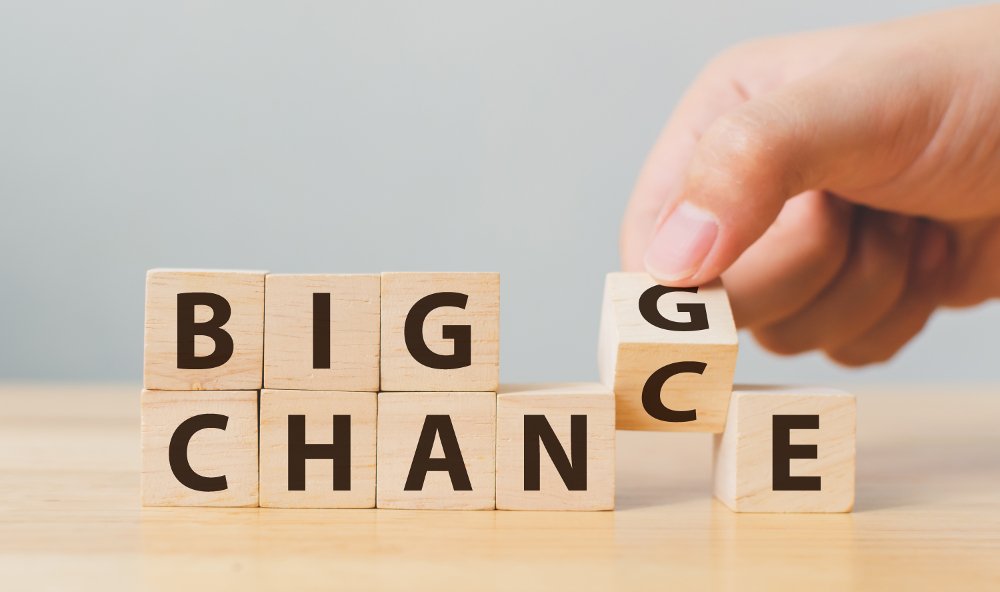
Leading change: how to move from "letting it flow" to "making it flow"?
Everything used to be simpler, but no one can go back in time to lead present organizations from the past and adapt them to the future that begins every day.
This is more than just a [...]
In the past, everything was simpler, but no one can go back in time to lead present organizations from the past and adapt them to the future that begins every day.
This is the reality for managers who must look at the numbers and strategies, yes, but above all they must manage the emotions of the teams to prevent anxiety or frustrations from consuming everything .
It is very complicated, but there is good news: it is possible to prepare for it and influence the context to play in the best possible conditions.
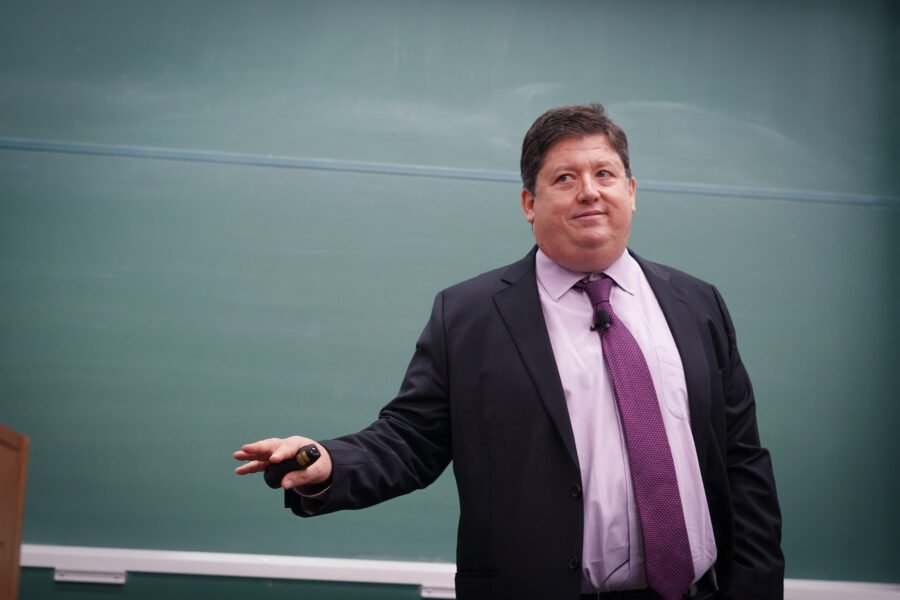
This is what Francisco Loscos, consultant and professor at INCAE Business School, proposes when he talks about the conditions for leading change. Or what is the same: simply to lead, because change is permanent in business and never as dizzying as it is now.
That is why the art is to make everything flow. It is not about disconnecting from the past without first managing the present and having created the future conditions. It is knowing that it is not the strongest or the most intelligent that wins, but the one that best adapts to evolution, as Darwin said.
Otherwise, the danger of disappearing is imminent. Our product or our organization faces this risk and not the market, the leaders must know. Customers, consumers or followers will continue to be there, today with some tastes or needs and tomorrow with others. Companies, however, have no guarantees. Let Kodak or Nokia say so.
"Leaders must navigate this turbulent and uncertain terrain whether they want to or not. The problem is that there is a shortage of leaders in the world who are aware of this, willing and prepared to face whatever may come. There are not many managers or directors who are convinced of their own capabilities and competent to inspire the emotions of their collaborators, because no organization changes if its culture does not change," warns Professor Loscos.
They are still focused on verticality, hierarchy, orders and control. In this way, they do not manage to make the neurons and even the hormones of the people around them move enthusiastically in the same direction to execute a plan.
Loscos compares managing change to embarking on a journey,with the necessary steps of designing the adventure well, knowing how to finance it, creating future conditions in a flexible way and making success sustainable over time. For this, it is essential to plan, define objectives and be inspired by a story, a narrative, a story that stimulates the organization's followers.
"For that, you have to be prepared and believe you are a leader, convince yourself of it and keep yourself stimulated to inspire others," warns the expert. Then comes the creation of an appropriate context to achieve impact, having defined a strategy that must also be designed for possible changes on the fly.
"The success of change depends on managing well the game between the visible (strategy) and the subway (collective emotions)," adds Loscos. This is the only way to avoid getting stuck and let others know how to flow.