- The region closed 2022 with negative numbers, -21% compared to 2019 in international tourist arrivals. Being a sector with the potential to contribute to sustainable development, its reactivation should be considered strategic.
Jaime Garcia, Project Director of the CLACDS Social Progress Index/INCAE
One of the sectors most affected by the pandemic was undoubtedly the tourism sector; worldwide, according to data from the World Tourism Organization, international tourist visitation fell by 90% at the worst moment of the pandemic, something unprecedented. International tourism practically came to a standstill around the world, affecting the economic activity of countries, the finances of companies, and the well-being of families who make a living from tourism.
In the region, although smaller, the drop was also historic, closing 2020 with a reduction in the number of international visitors of 72% on average. And while it is true that the recovery has already begun, it has not yet returned to pre-pandemic levels. The Air Transport Association (IATA) still estimates a deficit of approximately -21% of international tourists compared to 2019 levels. In Costa Rica alone, a leading country in the region, with final data for 2022, there are still almost one million visitors short of returning to pre-pandemic levels of more than 3 million tourists per year.
Keeping a close eye on the sector's recovery is important, not only because of its impact in terms of foreign exchange inflows, but also because it has the potential to generate benefits in the three basic pillars of sustainable development: economic, social and environmental. Furthermore, because of the type of tourism in the region, these benefits mainly reach areas and communities far from large urban centers, thus becoming a force that generates opportunities for rural populations. The main impacts could be listed in general terms as follows:
Economic growth and employment: In Costa Rica, tourism contributes approximately 8.2% of the country's Gross Domestic Product (GDP) and is an important source of foreign exchange earnings(World Travel & Tourism Council, 2020). It also generates 15.5% of the country's total employment, including direct and related employment.(Central Bank of Costa Rica, 2019).
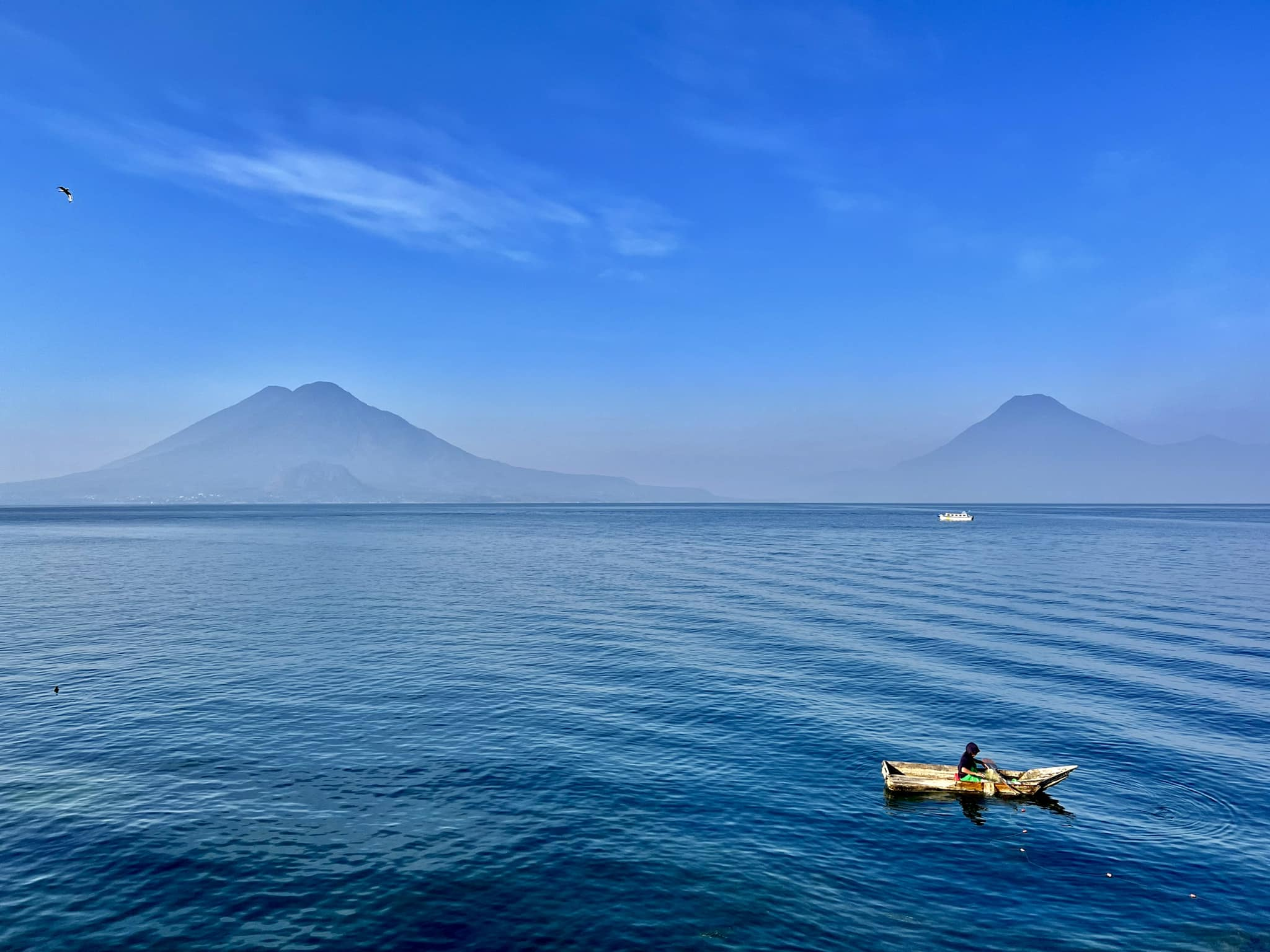
Local business development: In Guatemala, the tourism industry has stimulated the growth of local businesses around popular tourist sites, such as Antigua, Tikal, and Lake Atitlán. These businesses, including restaurants, craft stores and travel agencies, cater to tourists and help support the local economy.
Infrastructure development: In Panama, the expansion of the tourism industry has led to significant investments in infrastructure, including the expansion of Tocumen International Airport and major improvements to the Panama Canal. These improvements have facilitated greater access to the country and boosted tourism while benefiting the local population.
Preservation of cultural heritage: In Honduras, the Mayan city of Copán has been recognized as a UNESCO World Heritage Site and in normal times attracts thousands of visitors each year. This cultural capital has promoted economic activity while protecting the country's historical legacy.
Environmental conservation: In Nicaragua, tourism helps finance conservation efforts in protected areas such as the Indio Maíz Biological Reserve and the Mombacho Volcano Nature Reserve. This can protect endangered species and preserve the region's biodiversity.
Rural community development: In El Salvador, community-based tourism projects, such as the Ruta de Las Flores, have been established to empower local communities and improve their living conditions. These projects involve local residents in the development and management of tourism initiatives for their direct benefit.
These are just a few examples and concrete data on the contributions of tourism to the sustainable development of Central America; to make it clear that tourism is not only foreign exchange and hotel rooms. The economic prosperity and social progress of the region depends on an active and competitive tourism sector. In this sense, reactivating the sector to recover pre-pandemic levels, strengthening its resilience, incorporating innovations, and improving its global competitiveness, is key for a region that needs economic activity and wellbeing. Will the relevant decision makers in each country be able to accelerate the reactivation of tourism?