Interview with Prof. Julio Sergio Ramírez
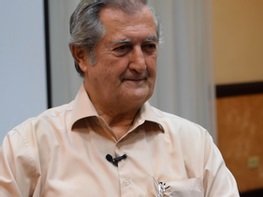
Professor Julio Sergio Ramírez has been a professor at INCAE since 1973 when he graduated from the master's degree program at this institution, where he worked as a [...]
Professor Julio Sergio Ramirez has been a professor at INCAE since 1973 when he graduated with a master's degree from this institution, where he worked for a couple of years before going to Harvard University to do his doctorate in Political Economy and Government. He later returned to INCAE, and since then I have been linked full time, except for 7 years that he was directing a Harvard University project in Bolivia.
He has been associated with INCAE for more than 40 years. He has been a professor in master's and senior management programs, in seminars and in a range of initiatives and research of various kinds.
In the CAHI Fellows program he is in charge of the Negotiation course, a subject in which he has developed a solid line of thought and work as a consultant, part of which is reflected in his books: Negociar es Bailar, the principles and concepts of effective negotiation, and La Negociación Desigual, what to do when you are negotiating with someone much more powerful. He has other books in the area of strategy, public strategy, environmental analysis, negotiation, management skills, critical thinking and decision making.
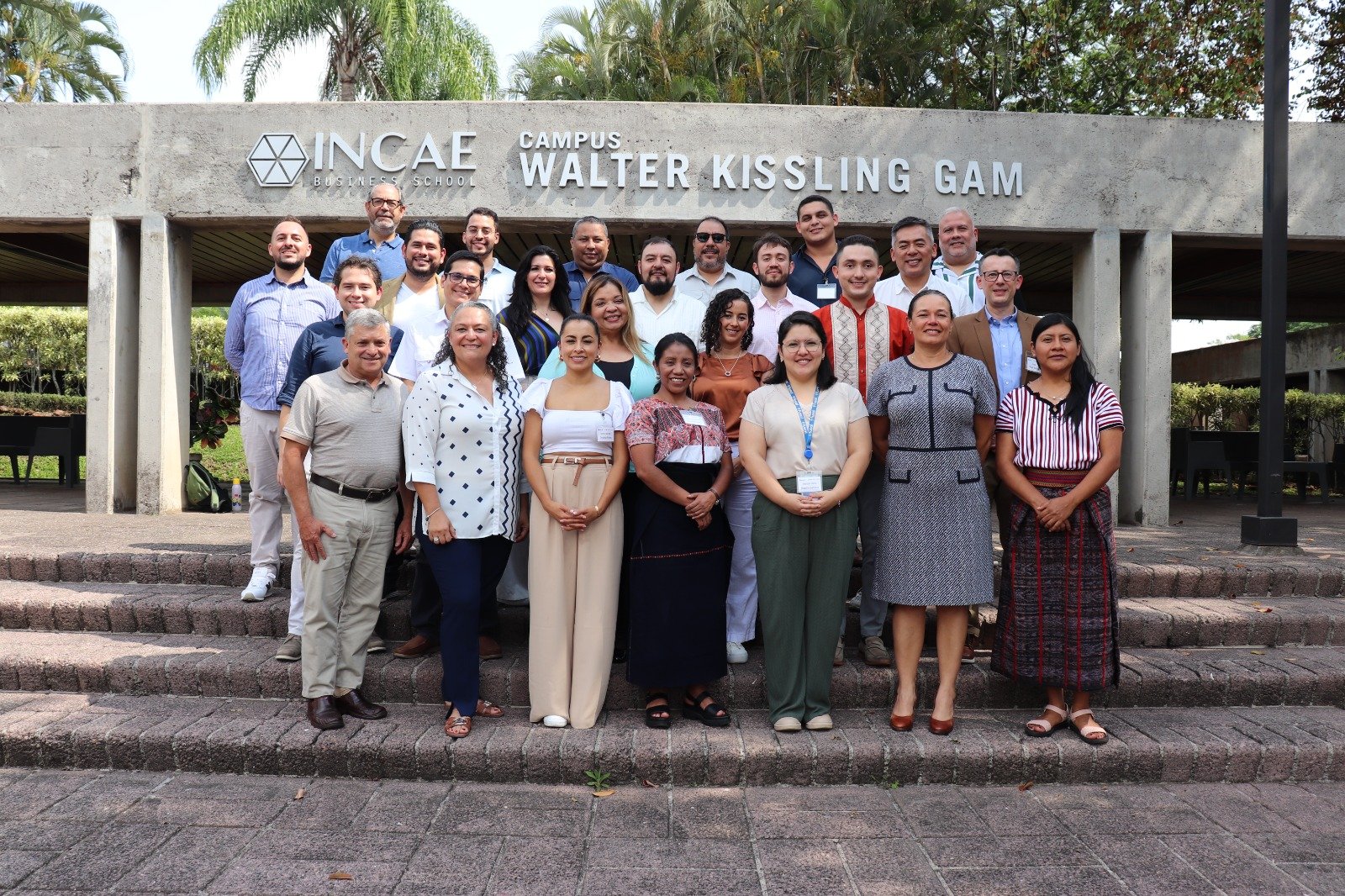
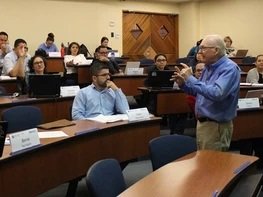
At the end of his Negotiation class, taught as part of the third module of the 6th Generation CAHI Fellows process, we had the opportunity to talk with him.
What is your perception and vision of the CAHI program?
Julio Sergio: The CAHI program impresses me because of its emphasis on selecting leaders who have great potential to bring about improvements in society, especially in the health sector.
The health sector in our region, and in general in the world, has important peculiarities. One: it is very expensive and will become more and more expensive due to the quality of the inputs it requires, especially because professional inputs, doctors, medicines, laboratories, are expensive. Two: they are of great importance for human welfare. Three: there are huge deficiencies in the delivery of health services.
Given that a large percentage of the population of our countries does not have the resources to pay the market price that these services would have, it is necessary to have non-profit entities interested in seeing how they can make health services reach the lower income sectors with a very high subsidy, a huge cost cut, sometimes donated, a way to make them accessible to huge populations.
This leverage, this creation of a group, a nucleus of leaders with the potential to create high-impact projects in the health services sector with fewer resources, is, in my opinion, extremely valuable.
What do you think is required as a basis for entry into the CAHI Fellows program?
Julio Sergio: To join the CAHI Fellows Program requires a strong commitment, a personal ethical-moral commitment, because I believe it is the right thing to do to help those most in need, in this case in the field of health. Feeling that I have to do something for them, given that I have received so much for the family, the society. I am privileged because I have this training, I feel a moral obligation to do something for them, to see how I can have an impact on their quality of life. But that, either the person has it, or he does not have it. There is no way to put it on them, they have to bring it with them.
So, if that is present, it can be used as a great motivator, a great multiplier of effort, to achieve valuable projects.
What do you bring to the CAHI Fellows from your perspective?
Julio Sergio: What I want the CAHI Fellows to understand is how to improve their ability to negotiate. How to become a better negotiator, given that they have to negotiate a lot (resources, support), and they will even have to go through unequal negotiations. That's what I was talking to them about, negotiations when the other is more powerful.
How can I achieve something and how do I define my negotiation strategy. What skills I lack, how do I improve. Because good intentions are not enough, they are important, but they also require skills, knowledge, abilities, which are developed through study and the exercises we do here.