The Latin American Center for Competitiveness and Sustainable Development (CLADCS) of the INCAE Business School, published a new study on the state of housing in Central America, which estimates the number of new homes required for each family to have an individual home (quantitative deficit), as well as the number of houses that require repairs to their structure or improvements in access to public services to provide decent living conditions for their inhabitants (qualitative deficit). As part of the official agreement with CNN en Español, the media will be in charge of the reproduction, distribution and use of this study, which will be broadcasted on June 19 and 20 in the following programs:
CaféCNN 6AM (EST), Realidades en contexto, 12PM (EST), Portafolio Global, at 2PM (EST), Panorama Mundial, 4PM (EST), Perspectivas México, 6PM (EST) and CNN Dinero, 8PM (EST).
The study was developed by Porfirio Guevara and Ronald Arce of the Latin American Center for Competitiveness and Sustainable Development (CLACDS) of INCAE Business School and under the auspices of the global non-governmental and non-profit organization Habitat for Humanity.
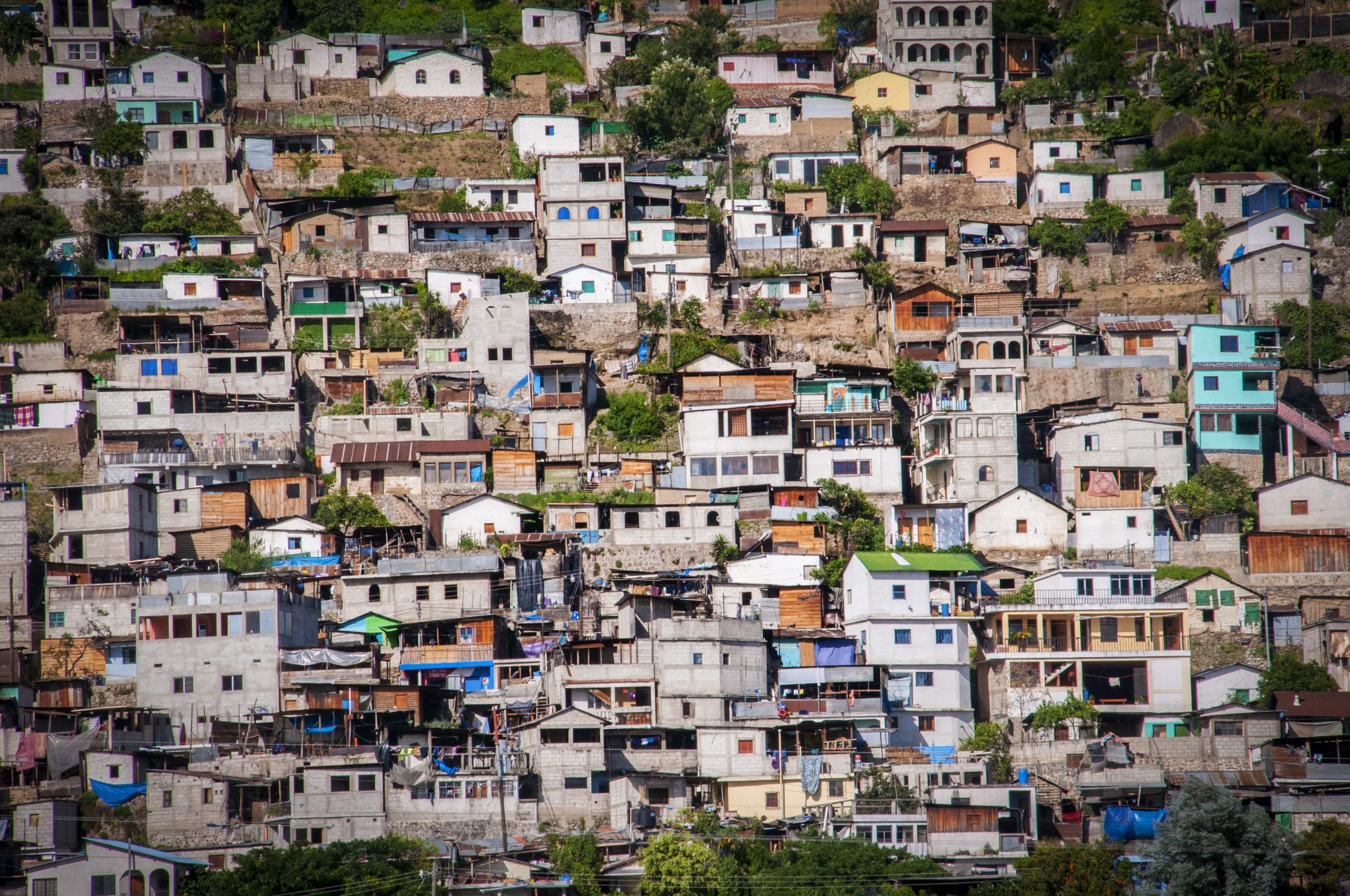
According to INCAE, this study shows that most of the housing deficit is of a qualitative nature, referring to material deficiencies, informal housing tenure and access to basic services and, in general, precarious housing conditions. The deficit is concentrated in peri-urban and rural areas.
"The main problem is that the formal housing system shows no signs of closing the supply and demand gap over time, in terms of quantity and quality. In three of the five countries analyzed: El Salvador, Guatemala and Honduras, there are housing deficits in excess of one million units in each country," explained Ronald Arce, Senior Researcher at the Latin American Center for Competitiveness and Sustainable Development (CLACDS) of INCAE.
In addition, the institution concludes that the study showed that the Central American urban population has been increasing to reach 60% of the 45 million inhabitants in 2015, while the growth rate of the total population of Central America went from 2% per year to 1.4% between 1990 and 2015.
"As urban populations grow, there are increasing challenges in meeting housing needs. New data generation techniques, their creative use and an integrated approach by housing providers, regulators, academics and governments can help bridge the gap between growing demand in a resource-constrained environment," commented Porfirio Guevara, CLACDS Senior Research Associate at INCAE.
In 2015, around 7.5 million people, about 17% of the total population of the Central American region, were living in informal homes or slums, compared to about 7 million people in the same situation in 2005, according to UN-Habitat. If the trend continues, more than 8 million people will face the same situation before 2025 with a high risk of overexposure to economic, social and natural hazards.
In Central America, it is estimated that approximately 1.25 million new homes need to be built. This figure indicates that 13.5% of Central American households do not live in independent housing. In addition to the housing shortage, 4.3 million of the existing homes need to be rehabilitated in one or more of their characteristics.
"The housing sector in Central America does not receive the attention it deserves. It is critical to understand the cost to the economy and society. Because the market does not work for the poorest segments, it is to be expected that deficits will persist and the only way to reduce them is through effective public and private sector policy. The good news is that there are tools to address the problem, but broader implementation within countries and greater coordination across borders is needed," added Guevara.
Main reasons for the deficit
Among the reasons that could explain a housing deficit in Central America is the precariousness of Central American public budgets that limits the capacity of governments to develop infrastructure. Also, the precariousness of the population itself excludes a large part of households from traditional financing schemes for construction and maintenance, and finally, a weak institutional performance or regulatory framework that inhibits private investment in housing.
Public services also show major deficiencies due to low public investment and weak government coordination. In 2015, around 30% of households in Guatemala lacked an adequate sewage connection, a figure that rises to around 50% in rural areas. Although in countries such as El Salvador, Honduras and Panama these numbers are not so alarming, there is a significant percentage of around 25% without this service, which has a direct impact on the health of the inhabitants and their quality of life.
About the Latin American Center for Competitiveness and Sustainable Development (CLACDS)
It is the main think tank and applied research center of INCAE Business School. Its mission is to promote sustainable development in the region through applied research, capacity building and dialogue. It works in close collaboration with government agencies, international organizations, private sector organizations and companies.